
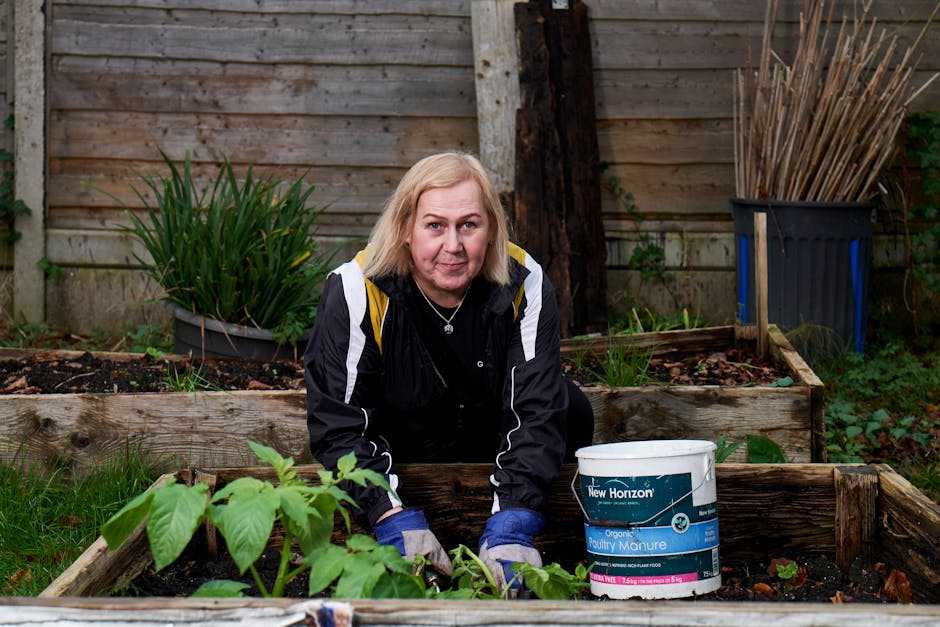
Choosing the Right Spot
Where you place your raised bed can make or break your garden. Don’t overthink it but don’t wing it, either.
Start with sunlight. Most edible plants thrive with 6 to 8 hours of direct sun each day. South facing spots usually get the most light, especially in backyards or on open balconies. If you’re not sure, check the area throughout the day to track how the light moves.
Next, figure out access. You’ll be watering regularly, harvesting often, and probably pulling the odd weed or two. Make sure your raised bed is close to a water source and not hidden behind a fence, shed, or awkward corner you’ll dread walking to.
Finally, avoid putting your bed in a low lying spot. After heavy rain, water tends to pool in dips, drowning plant roots or leading to rot. You want the area to drain well even better if it’s slightly elevated so excess moisture runs off easily.
In short: pick a sunny, level, easy to reach patch with good drainage, and you’re off to a solid start.
Building the Raised Bed
Keep it simple and sturdy. For a small raised garden bed, aim for dimensions around 3 to 4 feet wide narrow enough to reach the center without stepping in it. Go about 6 to 8 feet long, and anywhere from 6 to 12 inches deep, depending on what you’re planting. Deeper beds mean more root room, but also more soil to fill.
Material wise, cedar is a favorite: it resists rot and bugs without needing chemical treatment. Untreated pine works too, but won’t last as long. If you’re going modern, metal and composite boards are solid options they hold up and look clean.
Before anchoring everything down, check for level ground. A sloped bed means uneven water flow, and that’s a headache. Brace corners with basic L brackets or wood blocks to add strength and square it up. For the bottom layer, hardware cloth keeps digging critters out, and cardboard smothers weeds while composting down naturally. Build it once, and build it right the bed should last for years.
Soil 101 for Raised Beds
Good soil is your garden’s foundation. Don’t cheap out here. Go with a high quality mix: about 60% topsoil, 30% compost, and 10% perlite or vermiculite. The topsoil gives your plants a base, the compost delivers nutrients, and the perlite or vermiculite boosts drainage and aeration.
Check your soil’s pH before planting most vegetables do best in the 6.0 to 7.0 range. You can find affordable test kits at any garden center or online. If the pH is off, adjust with lime (to raise it) or sulfur (to lower it).
Each year, your plants pull nutrients out of the soil. Replenish it annually with a layer of compost and small amounts of trace minerals like kelp meal or rock dust. Think of it as a reset button for your soil simple, but essential.
Easy Edible Plants for Starters
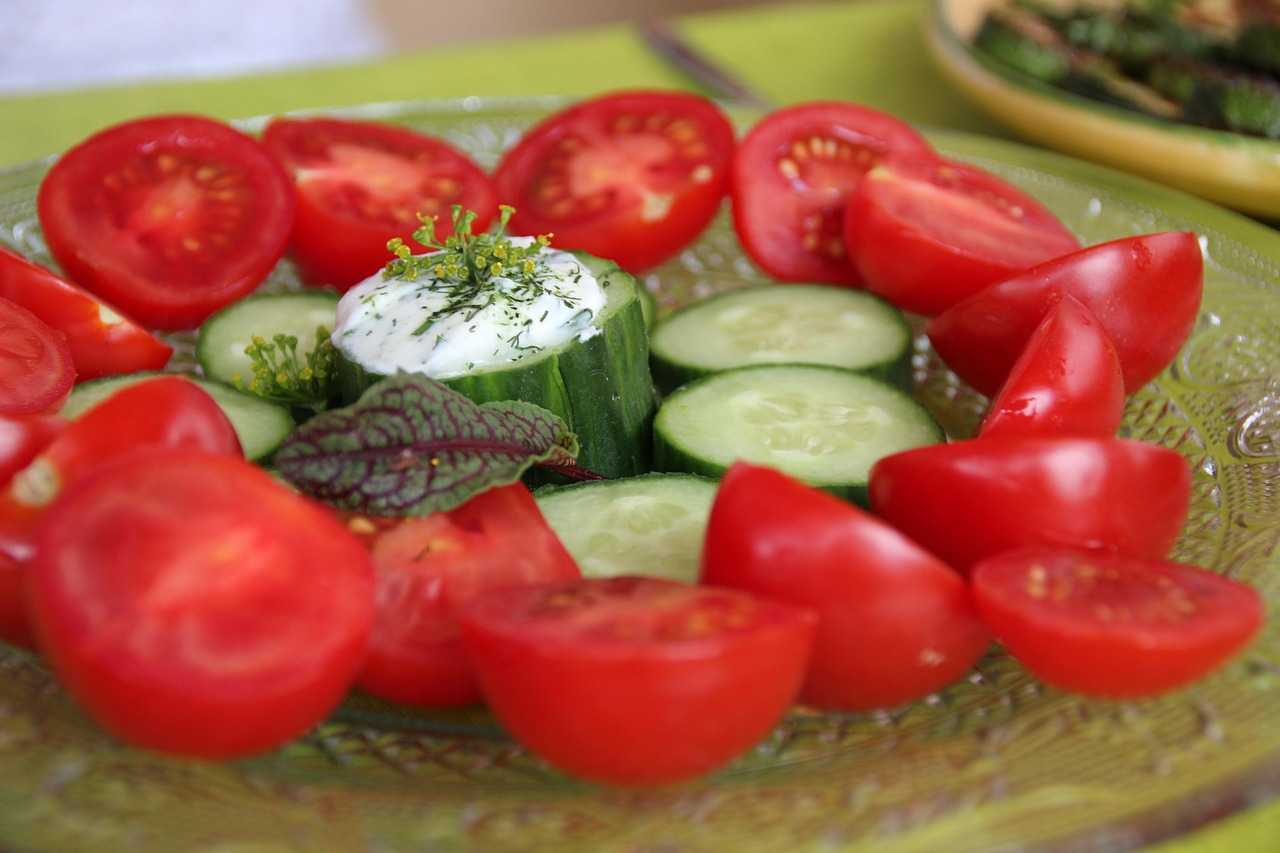
If you’re new to raised bed gardening, start with plants that don’t ask for much but give plenty in return. Leafy greens like lettuce, spinach, and kale grow fast and don’t need deep soil. Cut what you need and let the rest keep growing no fuss.
Compact herbs such as basil, chives, and thyme offer flavor without taking over your space. They’re ideal for tucking into corners or between rows. Plus, they thrive even if you forget about them once in a while.
For something a bit more grounding literally try root veggies. Radishes are fast, carrots push deep but steady, and beets offer both root and leaf harvests. These crops teach you patience, but don’t take all season to pay off.
Want fruit without headaches? Go with strawberries. They’re low slung, low maintenance, and if you give them sun and space, they’ll keep popping up bright and sweet with minimal effort.
For more inspiration and a broader plant list, check out these edible plant ideas.
Smart Watering and Maintenance
Watering and maintaining your raised garden bed doesn’t have to be a time consuming chore. With a few smart practices, you can create a more efficient, low maintenance growing environment that conserves resources and keeps your plants thriving.
Optimize Your Watering System
Set up your bed for success with a water saving strategy:
Install a soaker hose or drip line: These systems deliver water directly to the soil at the base of the plant, reducing evaporation and keeping foliage dry (which helps prevent fungal diseases).
Place hoses beneath mulch for even greater efficiency and longevity.
Watering Timing Matters
When and how you water makes a big difference:
Best time to water: Early morning is ideal. It allows moisture to reach roots before the day heats up.
Water deeply and less often: Encourage stronger, deeper root systems by soaking the soil thoroughly rather than giving frequent shallow sips.
Mulch: Your Moisture Saving Ally
Mulch is a simple yet powerful tool in any small garden:
Use organic mulches like straw, shredded leaves, or grass clippings.
Benefits:
Retains soil moisture
Reduces weed growth
Regulates soil temperature
Adds organic matter as it breaks down
Stay Watchful: Regular Garden Check ins
Weekly observations can catch problems early:
Look for common pests like aphids, slugs, or leaf miners
Note nutrient deficiencies (e.g., yellowing leaves, stunted growth)
Take action early: hand pick pests, apply organic solutions, or amend soil as needed
Consistent care and attention now will mean fewer surprises and stronger plants later. A proactively maintained bed leads to a more enjoyable growing season.
Getting the Most From Your Mini Garden
Once your raised bed is set up and growing, it’s time to think about strategy. For starters, practice crop rotation. Switching up plant families from season to season helps cut down on soil borne diseases and pest buildup. Don’t replant tomatoes or brassicas in the same spot year after year your soil needs a breather.
Next, go vertical. Trellises, cages, and stakes make the most of small spaces and keep climbers like peas, cucumbers, and beans off the ground. Better airflow, easier harvesting, and fewer pests.
Want nonstop harvests? Try succession planting. Instead of sowing all your carrots or lettuce at once, space out plantings every couple of weeks. You’ll get a steady supply instead of a single glut.
And for a low effort hack that actually works companion planting. Marigolds near tomatoes, basil with peppers, nasturtiums by cukes. Certain plants naturally repel pests or boost flavor when grown side by side.
Get inspired by more edible plant ideas here.
Keep It Simple, Keep It Growing
You don’t need acres or experience to grow something worthwhile. Start with what you actually eat. If salads are a staple, plant lettuce and herbs. Want fresh stir fries? Add bok choy and scallions. Keep it tight, manageable, and useful. Trying to do too much from the jump burns people out. Raised beds thrive on focus and feedback with each season, you’ll learn what works, what doesn’t, and how your space responds.
Also, don’t underestimate the power of habit. When you start harvesting dinner straight from the yard, it rewires how you think about food. Fresher. Simpler. More intentional. Your mini garden isn’t just feeding your mouth it’s feeding your mindset. Over time, this kind of rhythm doesn’t just grow plants. It grows people.
 Ask Ireneia Diamondolls how they got into home repair tips and you'll probably get a longer answer than you expected. The short version: Ireneia started doing it, got genuinely hooked, and at some point realized they had accumulated enough hard-won knowledge that it would be a waste not to share it. So they started writing.
What makes Ireneia worth reading is that they skips the obvious stuff. Nobody needs another surface-level take on Home Repair Tips, Creative Concepts, DIY Renovation Ideas. What readers actually want is the nuance — the part that only becomes clear after you've made a few mistakes and figured out why. That's the territory Ireneia operates in. The writing is direct, occasionally blunt, and always built around what's actually true rather than what sounds good in an article. They has little patience for filler, which means they's pieces tend to be denser with real information than the average post on the same subject.
Ireneia doesn't write to impress anyone. They writes because they has things to say that they genuinely thinks people should hear. That motivation — basic as it sounds — produces something noticeably different from content written for clicks or word count. Readers pick up on it. The comments on Ireneia's work tend to reflect that.
Ask Ireneia Diamondolls how they got into home repair tips and you'll probably get a longer answer than you expected. The short version: Ireneia started doing it, got genuinely hooked, and at some point realized they had accumulated enough hard-won knowledge that it would be a waste not to share it. So they started writing.
What makes Ireneia worth reading is that they skips the obvious stuff. Nobody needs another surface-level take on Home Repair Tips, Creative Concepts, DIY Renovation Ideas. What readers actually want is the nuance — the part that only becomes clear after you've made a few mistakes and figured out why. That's the territory Ireneia operates in. The writing is direct, occasionally blunt, and always built around what's actually true rather than what sounds good in an article. They has little patience for filler, which means they's pieces tend to be denser with real information than the average post on the same subject.
Ireneia doesn't write to impress anyone. They writes because they has things to say that they genuinely thinks people should hear. That motivation — basic as it sounds — produces something noticeably different from content written for clicks or word count. Readers pick up on it. The comments on Ireneia's work tend to reflect that.