
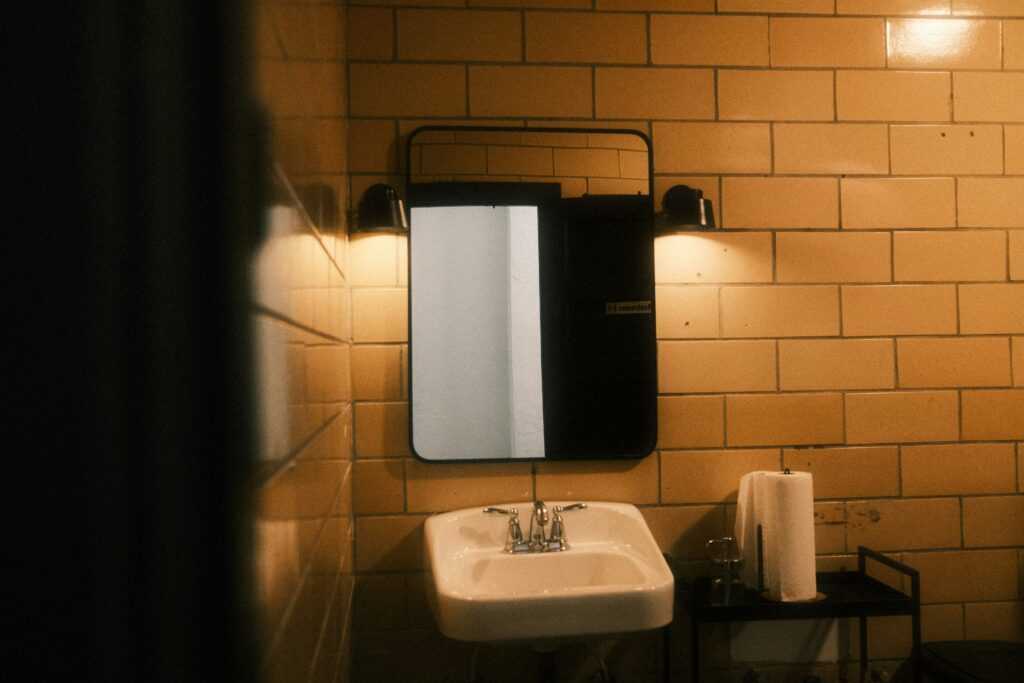
Tiles are a staple in most bathrooms because they handle water well and are easy to keep clean, but installing them incorrectly can create a major headache. Installing tiles on the wall follows a similar method to that of floor tiles; only, you’re working against gravity. So, if you make a mistake, trust us, your tiles aren’t going to stick for long. To help you do things right, here’s a guide for installing wall tiles.
Why wall tiles matter in bathrooms
Bathrooms are wet environments, and painted walls can only handle so much. Wall tiles act as a protective barrier, stopping water from soaking into plaster or framing. Over time, this helps prevent mould, mildew, and long-term water damage that can be expensive to fix.
Beyond practicality, wall tiles set the tone of the room. Whether you prefer something clean and minimal or bold and textured, your wall tile choice often becomes the main design feature, especially in showers and behind vanities.
For homeowners looking for bathroom remodeling solutions for Texas homeowners, choosing durable and stylish wall tiles is one of the smartest investments for a long-lasting bathroom upgrade
Preparing the wall properly
Good preparation is the difference between tiles that stay put for years and tiles that start lifting within months. Skipping this step is tempting, but it’s usually where DIY jobs fall apart.
Cleaning and fixing the surface
Start by removing any old tiles, adhesive, or loose material. A hammer and chisel work fine, but take your time so you don’t damage the wall underneath. Once everything is stripped back, scrape off leftover glue, and give the wall a thorough clean to remove dust and debris.
After that, check the wall for cracks, holes, or uneven areas. Small imperfections can be filled with wall compound, then sanded smooth once dry. Bigger dips or bumps may need a levelling compound. Tiles will only sit as flat as the surface underneath them.
Waterproofing the walls
Bathrooms need waterproofing, especially around showers, baths, and vanities. A waterproofing membrane helps stop moisture getting behind the tiles, where it can cause mould and structural damage over time. Liquid membranes are popular because they’re easy to apply with a roller or brush. Follow the product instructions closely and allow enough drying time before tiling. This step isn’t optional, even if the wall looks solid.
Planning your tile design
Once all the surfaces are prepared, it’s time to plan your design. You need to think about what the tiles will actually look like when they are up, whether they’ll fit the area, or if they are the right tiles for the job. At this point, a little bit of planning can save you a lot of frustration.
Choosing tile patterns and grout colour
Tile layout makes a big visual difference. Subway patterns are classic and forgiving. Herringbone adds movement and works well as a feature. Vertical stacking can make walls feel taller, while horizontal stacking feels calm and modern. Mosaic tiles are great for accents, but they take more time to install.
Grout colour matters just as much. Dark grout highlights tile patterns and hides stains. Light grout creates a softer, seamless look but shows dirt more easily. Laying a few tiles out dry before committing helps you see how everything works together.
Installing the wall tiles
This is where patience pays off. Working in small sections helps keep everything level and gives you time to adjust before the adhesive sets.
Applying adhesive and placing tiles
Use a notched trowel to spread tile adhesive evenly over a small area of the wall. The grooves help the tile grip properly. Press each tile firmly into place and use spacers to keep gaps even. Check alignment regularly with a level so errors don’t creep in as you go. Cut tiles carefully for edges, corners, and fixtures. Measure twice and cut once. Rushing this step often results in wasted tiles and uneven finishes.
Grouting and sealing
After the adhesive has fully set, usually after 24 hours, remove spacers and mix the grout according to the instructions. Use a rubber float to push grout into the joints, working diagonally across the tiles. Wipe off excess grout with a damp sponge before it dries. Once everything has cured, apply a grout sealer. This step helps protect against moisture, stains, and mildew, especially in high-water areas like showers.
Find the right bathroom tiles here
While installing the right way is important, choosing the right tiles is equally essential. Wall tiles are generally lighter and easier to work with than. If you’re looking for bathroom wall tiles, Cheap Tiles Online has a wide range of bathroom tiles, providing you with a variety of designs to fit the aesthetic of your bathroom.
Final thoughts
Installing bathroom wall tiles takes time, patience, and preparation, but it’s a project that can genuinely transform a space. Focus on getting the surface right, plan your layout carefully, and work steadily rather than rushing. When the prep is solid and the tiles are well chosen, the end result isn’t just good-looking; it’s durable, practical, and built to handle everyday bathroom use for years to come.
 Ask Ireneia Diamondolls how they got into home repair tips and you'll probably get a longer answer than you expected. The short version: Ireneia started doing it, got genuinely hooked, and at some point realized they had accumulated enough hard-won knowledge that it would be a waste not to share it. So they started writing.
What makes Ireneia worth reading is that they skips the obvious stuff. Nobody needs another surface-level take on Home Repair Tips, Creative Concepts, DIY Renovation Ideas. What readers actually want is the nuance — the part that only becomes clear after you've made a few mistakes and figured out why. That's the territory Ireneia operates in. The writing is direct, occasionally blunt, and always built around what's actually true rather than what sounds good in an article. They has little patience for filler, which means they's pieces tend to be denser with real information than the average post on the same subject.
Ireneia doesn't write to impress anyone. They writes because they has things to say that they genuinely thinks people should hear. That motivation — basic as it sounds — produces something noticeably different from content written for clicks or word count. Readers pick up on it. The comments on Ireneia's work tend to reflect that.
Ask Ireneia Diamondolls how they got into home repair tips and you'll probably get a longer answer than you expected. The short version: Ireneia started doing it, got genuinely hooked, and at some point realized they had accumulated enough hard-won knowledge that it would be a waste not to share it. So they started writing.
What makes Ireneia worth reading is that they skips the obvious stuff. Nobody needs another surface-level take on Home Repair Tips, Creative Concepts, DIY Renovation Ideas. What readers actually want is the nuance — the part that only becomes clear after you've made a few mistakes and figured out why. That's the territory Ireneia operates in. The writing is direct, occasionally blunt, and always built around what's actually true rather than what sounds good in an article. They has little patience for filler, which means they's pieces tend to be denser with real information than the average post on the same subject.
Ireneia doesn't write to impress anyone. They writes because they has things to say that they genuinely thinks people should hear. That motivation — basic as it sounds — produces something noticeably different from content written for clicks or word count. Readers pick up on it. The comments on Ireneia's work tend to reflect that.