
Every gardener eventually hits the same wall: tools piled in a corner of the garage, hoses coiled over the lawnmower, nowhere sensible to put the potting mix. A dedicated garden shed fixes this, and the good news is that a basic one does not require a contractor or a generous budget. With two solid days, the right materials, and a bit of planning, most homeowners can build a functional storage shed from scratch.
This guide covers the essentials: site prep, framing, sheathing, and finishing, enough to get a weather-tight structure standing by Sunday evening.
Planning the Build
Start with size. A 6-by-8-foot footprint is manageable for a first build and gives enough room for long-handled tools, a shelf or two, and a small workbench if you want one. Anything larger starts to feel like a full construction project. Before buying materials, check your local zoning rules, many municipalities allow small accessory structures without a permit up to a certain square footage, but that threshold varies widely.
Choosing the Right Site
Pick a level spot with decent drainage and reasonable access from the garden. Avoid low-lying areas that collect water after rain, a shed floor sitting in damp soil will rot faster than you expect. Once the site is chosen, think about your hardware. The framing connections in even a small shed take real stress from wind and roof load, so the screws and fasteners you use matter. Star Fasteners Plus has a reliable catalog suited to outdoor wood construction, including the coated deck screws and framing hardware you will need for a project like this.
Materials and Lumber
For the frame, pressure-treated 2x4s work well for the base plates and any framing within six inches of the ground. Standard kiln-dried 2x4s are fine for the wall studs and roof rafters above that. The floor can be 3/4-inch treated plywood set on pressure-treated skids, this keeps the floor elevated slightly and reduces moisture contact. For the walls and roof sheathing, 1/2-inch CDX plywood is cost-effective and holds fasteners well.
Getting Fasteners Right
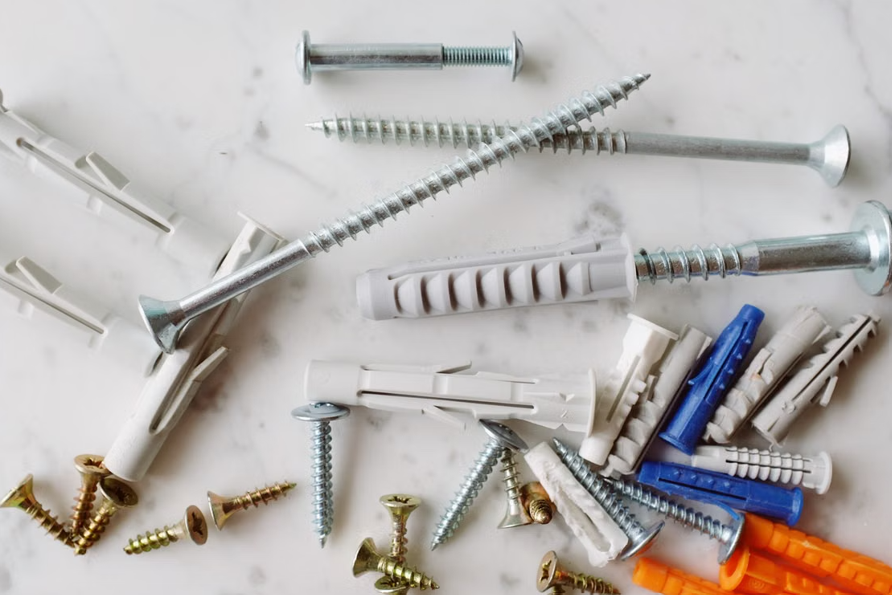
The framing connections, base plate to skid, stud to plate, rafter to wall, need screws long enough to bite properly into both pieces. For 2×4 framing, 3-inch exterior screws at stud connections and 3.5-inch screws for the base plate give solid holding power. Avoid bright zinc or uncoated screws for anything near the ground or exposed to weather; they will rust within a season and stain the surrounding wood. Hot-dipped galvanized or coated exterior screws are the right call here.
Framing and Assembly
Build the four wall frames flat on the ground before raising them. Lay out the bottom plate, top plate, and studs at 16-inch centers, then nail or screw the assembly together. Check for square by measuring diagonally corner to corner, both measurements should match before you move on. Once all four walls are framed, raise them in sequence: back wall first, then the two sides, then the front. Brace each wall temporarily while you fasten the corners together.
For the roof, a simple lean-to pitch is the easiest option for a first shed build. Set the back wall studs a few inches taller than the front to create the slope, then run 2×4 rafters from front to back at the same 16-inch spacing as the wall studs. Attach the sheathing once the rafters are in place, then finish with roofing felt and corrugated metal or asphalt shingles, both work well for a small structure.
Finishing and Weatherproofing
Sheath the walls with CDX plywood, then add a layer of house wrap before any cladding. For a garden shed, T1-11 siding, a grooved plywood panel, is a popular choice because it acts as both sheathing and cladding in one step, which saves time and materials. Paint or stain before hanging the door; it is much easier to coat the panels before they are fixed in place. The North American Deck and Railing Association publishes helpful guidance on outdoor wood construction standards and material selection that applies equally well to shed builds.
Hang a simple pre-hung door and add a hasp latch, and the shed is functionally complete. Interior shelving can go up at any point, basic wall-mounted brackets and 1×10 boards are all you need. The whole project typically costs between $400 and $800 in materials depending on local lumber prices, which is a fraction of what a pre-built shed runs once delivery and installation are factored in.
 Ask Ireneia Diamondolls how they got into home repair tips and you'll probably get a longer answer than you expected. The short version: Ireneia started doing it, got genuinely hooked, and at some point realized they had accumulated enough hard-won knowledge that it would be a waste not to share it. So they started writing.
What makes Ireneia worth reading is that they skips the obvious stuff. Nobody needs another surface-level take on Home Repair Tips, Creative Concepts, DIY Renovation Ideas. What readers actually want is the nuance — the part that only becomes clear after you've made a few mistakes and figured out why. That's the territory Ireneia operates in. The writing is direct, occasionally blunt, and always built around what's actually true rather than what sounds good in an article. They has little patience for filler, which means they's pieces tend to be denser with real information than the average post on the same subject.
Ireneia doesn't write to impress anyone. They writes because they has things to say that they genuinely thinks people should hear. That motivation — basic as it sounds — produces something noticeably different from content written for clicks or word count. Readers pick up on it. The comments on Ireneia's work tend to reflect that.
Ask Ireneia Diamondolls how they got into home repair tips and you'll probably get a longer answer than you expected. The short version: Ireneia started doing it, got genuinely hooked, and at some point realized they had accumulated enough hard-won knowledge that it would be a waste not to share it. So they started writing.
What makes Ireneia worth reading is that they skips the obvious stuff. Nobody needs another surface-level take on Home Repair Tips, Creative Concepts, DIY Renovation Ideas. What readers actually want is the nuance — the part that only becomes clear after you've made a few mistakes and figured out why. That's the territory Ireneia operates in. The writing is direct, occasionally blunt, and always built around what's actually true rather than what sounds good in an article. They has little patience for filler, which means they's pieces tend to be denser with real information than the average post on the same subject.
Ireneia doesn't write to impress anyone. They writes because they has things to say that they genuinely thinks people should hear. That motivation — basic as it sounds — produces something noticeably different from content written for clicks or word count. Readers pick up on it. The comments on Ireneia's work tend to reflect that.