
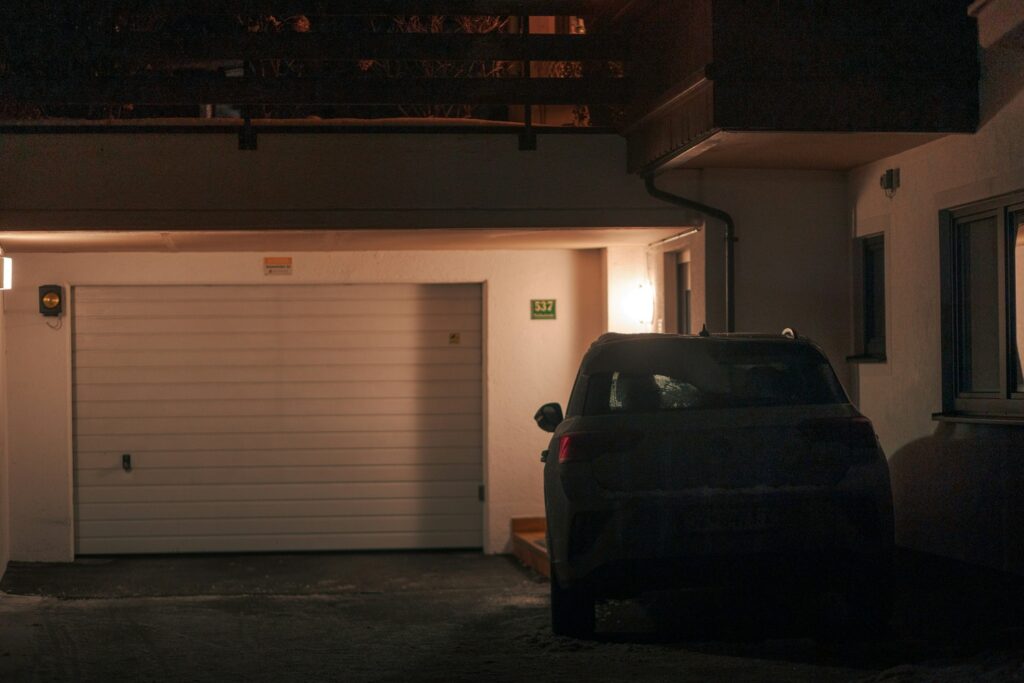
The concept of curb appeal has evolved far beyond a well-manicured lawn or a freshly painted front door. In contemporary residential design, the garage door often occupies up to thirty percent of a home’s facade, making it a dominant visual element that can either enhance or diminish the overall architectural harmony.
Homeowners are increasingly moving away from the idea that a garage is merely a utilitarian box for vehicle storage. Instead, there is a growing movement toward treating this space as a seamless extension of the home’s interior aesthetic. Balancing the rugged requirements of daily use with the delicate nuances of modern design requires a thoughtful approach to materials, technology, and silhouettes.
The Foundation of Modern Residential Garage Doors
When starting a renovation or a new build, the sheer variety of residential garage doors available can be overwhelming. The selection process typically begins with understanding the architectural language of the primary structure.
For instance, a Craftsman-style home might benefit from the depth and dimension of recessed panel doors, which offer a traditional look without the maintenance requirements of older wood models. These doors provide a clean, crisp shadow line that adds a layer of sophistication to the driveway.
Beyond the visual, the mechanical integrity of the door is paramount. A high-quality installation ensures that the door operates smoothly for years, acting as a reliable security solution for the household. By viewing the door as both a piece of kinetic art and a functional barrier, you can narrow down choices that satisfy both the eye and the need for long-term durability.
Material Innovation and Thermal Performance
Functionality in modern design is often invisible, hidden within the layers of the materials themselves. Homeowners today are looking for longevity and climate control without sacrificing the look of high-end materials.
- The strength of steel: Many modern designs utilize insulated steel to provide a dent-resistant surface that stands up to the elements while remaining lightweight enough for standard motors.
- Climate consistency: For those living in regions with extreme temperature swings, polystyrene insulation is a common choice for core lining, helping to maintain a stable environment inside the garage.
- Simulated aesthetics: You can achieve a rustic look without the warping or rotting associated with real timber by using faux wood finishes that mimic the grain and hue of oak or mahogany.
- Efficiency standards: A focus on energy efficiency is no longer optional; a well-insulated door reduces the thermal transfer between the garage and the main living quarters, potentially lowering monthly utility costs.
- Tactile finishes: To add a custom feel, textured overlays are applied to the surface, giving the door a three-dimensional quality that catches the light differently throughout the day.
Selecting the right material involves weighing the initial lead times against the long-term maintenance benefits, ensuring that the chosen product fits both the project timeline and the lifestyle of the inhabitants.
Transparency and Natural Light Integration
One of the most significant shifts in garage design is the move toward transparency. Incorporating glass-paneled entries into a home’s design invites a wealth of sunlight into areas that previously felt cramped or gloomy. This transition is especially advantageous for residents who have repurposed their garage areas into creative studios, personal fitness centers, or dedicated workspaces. When the interior is visible or at least illuminated, the user experience of the space improves dramatically, making it feel less like a closet and more like a functional room.
Framing the view
For those favoring a contemporary or industrial look, minimalist frames made of aluminum provide a sleek, “all-glass” appearance. These frames can be treated with various powder coating options to match the window mullions or trim of the rest of the house. To maintain privacy while still reaping the benefits of sunlight, there are numerous window options available, ranging from frosted and tinted to seeded glass, allowing light to enter while keeping the contents of the garage obscured from the street.

Customization Through Designer Details
The final layer of balancing style and function lies in the small details that make a home unique. Many manufacturers now offer designer series doors that allow for a high degree of personalization. This might involve the use of overlay boards to create unique patterns, such as herringbone or cross-buck, directly onto the door’s face. The palette for these projects has expanded significantly, with a vast array of color options that go far beyond standard white or beige. These custom finishes are often applied using industrial processes that ensure the pigment remains vibrant despite constant exposure to UV rays.
In addition to the visual components, the “function” side of the equation is bolstered by professional security service and maintenance. Even the most beautiful door requires a precise balance of springs and tracks to operate safely. When choosing among various residential models, it is wise to consider how the hardware, such as handles, hinges, and even the quietness of the opener, contributes to the daily ease of use.
Conclusion
Finding the intersection of beauty and utility in home improvement is a continuous journey, but the garage door offers one of the most rewarding opportunities for transformation. By prioritizing high-performance materials like steel and advanced insulation, you ensure the home remains protected and efficient. Simultaneously, by embracing modern aesthetics such as glass panels and custom textures, you elevate the property’s value and character.
Ultimately, a successful installation is one where the technology remains subtle, and the style feels intentional. When these elements align, the garage door ceases to be a mere entry point and becomes a defining statement of the home’s overall design philosophy.
 Patricko Aaronickson has opinions about home maintenance essentials. Informed ones, backed by real experience — but opinions nonetheless, and they doesn't try to disguise them as neutral observation. They thinks a lot of what gets written about Home Maintenance Essentials, Home Repair Tips, Interior Design Inspirations is either too cautious to be useful or too confident to be credible, and they's work tends to sit deliberately in the space between those two failure modes.
Reading Patricko's pieces, you get the sense of someone who has thought about this stuff seriously and arrived at actual conclusions — not just collected a range of perspectives and declined to pick one. That can be uncomfortable when they lands on something you disagree with. It's also why the writing is worth engaging with. Patricko isn't interested in telling people what they want to hear. They is interested in telling them what they actually thinks, with enough reasoning behind it that you can push back if you want to. That kind of intellectual honesty is rarer than it should be.
What Patricko is best at is the moment when a familiar topic reveals something unexpected — when the conventional wisdom turns out to be slightly off, or when a small shift in framing changes everything. They finds those moments consistently, which is why they's work tends to generate real discussion rather than just passive agreement.
Patricko Aaronickson has opinions about home maintenance essentials. Informed ones, backed by real experience — but opinions nonetheless, and they doesn't try to disguise them as neutral observation. They thinks a lot of what gets written about Home Maintenance Essentials, Home Repair Tips, Interior Design Inspirations is either too cautious to be useful or too confident to be credible, and they's work tends to sit deliberately in the space between those two failure modes.
Reading Patricko's pieces, you get the sense of someone who has thought about this stuff seriously and arrived at actual conclusions — not just collected a range of perspectives and declined to pick one. That can be uncomfortable when they lands on something you disagree with. It's also why the writing is worth engaging with. Patricko isn't interested in telling people what they want to hear. They is interested in telling them what they actually thinks, with enough reasoning behind it that you can push back if you want to. That kind of intellectual honesty is rarer than it should be.
What Patricko is best at is the moment when a familiar topic reveals something unexpected — when the conventional wisdom turns out to be slightly off, or when a small shift in framing changes everything. They finds those moments consistently, which is why they's work tends to generate real discussion rather than just passive agreement.