
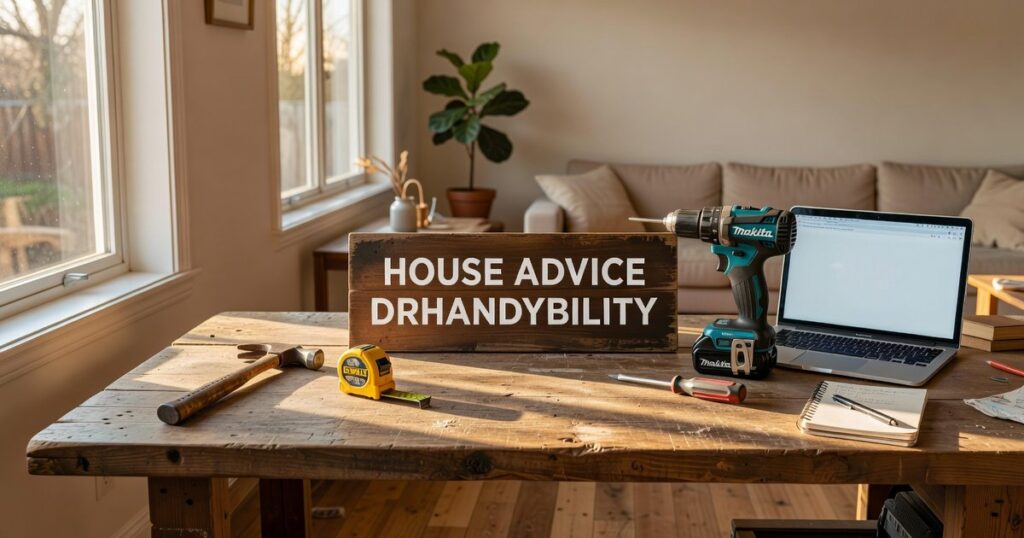
I know what it’s like to stare at a leaky faucet or a hole in drywall and wonder if you’re about to make things worse.
You’ve got repairs piling up. Some look simple enough to try yourself. Others? You’re not so sure. And calling someone for every little thing gets expensive fast.
Here’s the truth: most homeowners can handle way more than they think. But you need to know which repairs are actually doable and which ones require a pro.
I’ve spent years fixing everything from squeaky floors to electrical issues in homes across the country. I’ve seen what works and what turns a small problem into a big one.
This guide will help you look at any repair and figure out if it’s something you can tackle. I’ll show you how to assess the job, what tools you actually need, and when it’s time to put down the wrench and make a call.
At drhandybility, we focus on giving you practical advice that comes from real experience. Not theory. Not guesswork. Just what actually works when you’re standing in your kitchen with a problem to solve.
You’ll learn how to approach repairs with confidence, avoid common mistakes, and know your limits before you’re in over your head.
Let’s turn that repair list into something manageable.
The First Decision: When to DIY vs. When to Call a Pro
I want you to save money on home repairs.
But not at the cost of your safety or your house.
Every week I hear from someone who tried to fix something themselves and ended up spending three times more to fix their mistake. Or worse, they got hurt.
The question isn’t whether you can do it. It’s whether you should.
Here’s how I decide. I look at three things: safety, skill level, and what tools I’d need to buy.
Safety comes first. Always.
Some jobs just aren’t worth the risk. Electrical work beyond swapping out a light fixture? That’s pro territory. You could start a fire or get seriously hurt. Same goes for major plumbing that involves pipes inside your walls. One wrong move and you’re dealing with water damage that costs thousands to fix.
Structural changes fall in this category too. Your walls hold up your house (kind of important).
Now here’s the benefit of knowing this upfront. You avoid the nightmare scenarios. No emergency calls to contractors. No explaining to your insurance company what happened. You just call the right person from the start and sleep better at night.
Skill level matters more than people admit.
Some tasks are genuinely simple. Patching drywall? I can teach you that in ten minutes. Fixing a running toilet? Same deal. These are perfect DIY projects that’ll save you a service call fee.
But tiling a shower or installing a new window? Those require knowledge you don’t pick up from a YouTube video. The techniques take practice. Miss a step and you’ll have leaks or drafts for years.
When you match the job to your actual skill level, you get better results. Your repairs last longer. Your house looks better. And honestly, you feel pretty good about what you accomplished.
Then there’s the tool situation.
I love tools. But I don’t love spending $300 on something I’ll use once.
Before you start any project, figure out what equipment you need. Basic repairs usually need stuff you already own or can pick up cheap. But specialized jobs? That’s different.
If a repair needs a tile saw or a pipe threader or some other piece of equipment that costs hundreds, do the math. A pro already owns that tool and knows how to use it well. You’re paying for their time and expertise, not just the repair itself.
The smart move is to handle the simple stuff yourself and bring in help for everything else. You’ll find plenty of guidance at Drhandybility for those DIY projects that make sense.
That’s how you keep your house in good shape without emptying your wallet or risking your safety.
The Essential Handyman’s Toolkit: 10 Tools for 80% of Jobs
You don’t need a garage full of equipment.
I’ve been doing home repairs for years and here’s what I’ve learned. Most jobs around your house need the same basic tools over and over again.
The trick is knowing which ones actually matter.
Some people say you should buy every specialized tool for every job. They’ll tell you that having the perfect tool makes all the difference. And sure, sometimes that’s true.
But here’s what they’re missing.
Most homeowners don’t need a $500 toolkit. You need about 10 solid tools that’ll handle 80% of what breaks or needs fixing in your house.
Let me walk you through what actually belongs in your toolbox.
Cordless drill/driver with assorted bits. This is your workhorse. You’ll use it for hanging shelves, assembling furniture, and drilling pilot holes. Get one with variable speed and you’re set. With its impressive Drhandybility, a cordless drill/driver equipped with assorted bits becomes an indispensable tool for everything from hanging shelves to assembling furniture and drilling pilot holes.
A quality hammer. Not the cheapest one at the hardware store. A 16-ounce claw hammer will drive nails, pull them out, and last you decades. I use mine for everything from hanging pictures to light demolition work.
Multi-bit screwdriver. Flathead and Phillips in different sizes. You’ll reach for this when the drill is overkill or you need more control (like tightening cabinet hinges).
Locking pliers. Also called channel-locks. These grip pipes, turn stuck bolts, and hold things in place. I’ve used mine to stop a leaking pipe at 11 PM more times than I can count.
Adjustable wrench. One good 10-inch wrench fits most nuts and bolts you’ll encounter. Way better than buying a whole socket set when you’re just starting out.
Tape measure. Get a 25-footer. You’ll use it before every project and kick yourself when you don’t. Measure twice, cut once isn’t just something people say.
A level. Because eyeballing it never works as well as you think. A 24-inch torpedo level fits in most toolboxes and keeps your shelves from looking crooked.
Utility knife. Opening boxes, cutting drywall, trimming caulk. I probably use mine three times a week without thinking about it.
Putty knife. Scraping old paint, applying spackle, smoothing caulk. This little flat blade does more than you’d expect.
Stud finder. Unless you want to guess where to hang heavy stuff. The electronic ones at drhandybility work better than the old knock-and-listen method your dad probably taught you.
Here’s the thing about quality.
You don’t need professional-grade tools. But don’t buy the absolute cheapest option either. Mid-range tools from decent brands will outlast three sets of bargain bin stuff.
I learned this the hard way when my $8 screwdriver stripped out after two months. Spent $20 on a better one and it’s still going strong five years later.
Buy once, use forever. That’s the goal.
Top 5 DIY Mistakes and How to Avoid Them
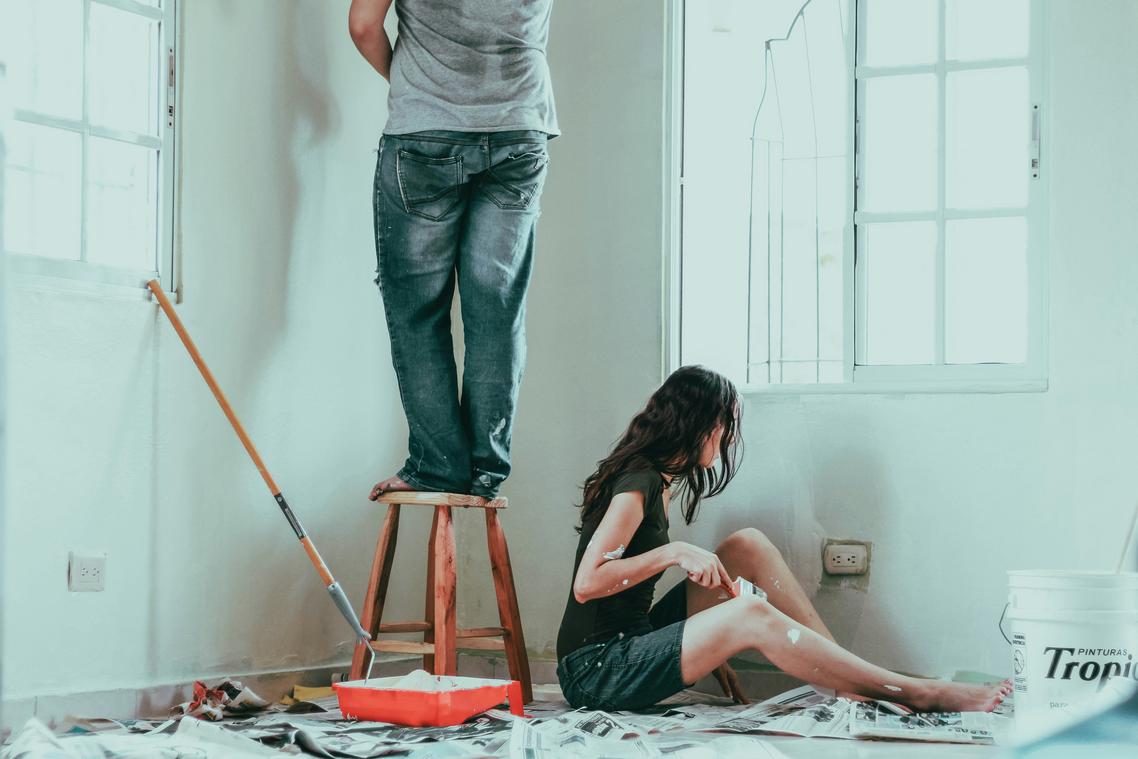
You’ve probably heard people say that DIY is just common sense.
That if you watch a YouTube video and follow along, you’ll be fine.
I used to think that too. Then I spent years fixing what people broke trying to save a few bucks.
Look, I’m all for doing it yourself. I run a whole site about it. But some mistakes keep showing up in every house I walk into.
Mistake #1: Using the Wrong Materials
Interior paint on your front door. Silicone caulk in the shower. Wood glue on something that needs to flex.
Some people argue that materials are basically the same and companies just want you to buy more stuff. And sure, there’s some marketing involved. I go into much more detail on this in Useful Tips Drhandybility.
But here’s what actually happens. That interior paint? It’ll peel off in six months because it wasn’t made to handle UV rays and temperature swings. That’s not a conspiracy. It’s chemistry.
I’ve seen people redo entire projects because they grabbed the wrong tube at the hardware store.
Mistake #2: Skipping Preparation
This one drives me crazy.
About 80% of any professional job is prep work. Cleaning, sanding, taping, patching. The boring stuff that nobody wants to do.
You might think you can skip it and just get to the fun part. I get the temptation. Prep work feels like a waste of time when you just want to see results.
But that paint job that looks great today? It’ll be peeling next year if you didn’t clean the surface first. The caulk line that looks lumpy? That’s because you didn’t tape it off or smooth the old bead.
Check out more handy tips drhandybility for proper prep techniques that actually work.
Mistake #3: Forcing It
If something isn’t moving, your first instinct might be to push harder.
Don’t.
I’ve pulled out so many stripped screws and replaced so many cracked fixtures because someone decided to muscle through a problem. (Usually right before they called me to fix it.) When tackling DIY projects, especially in gaming setups where precision is key, heeding some solid Family Advice Drhandybility can save you from the frustration of stripped screws and the costly need for professional repairs.
Patience is a tool. If a screw won’t turn, figure out why. Wrong size driver? Painted over? Cross-threaded?
Force just makes everything worse and more expensive.
Mistake #4: Ignoring the Breaker Box
This should be obvious but I still need to say it.
Turn off the power before you touch anything electrical. I don’t care if it’s just swapping out a light switch or adding an outlet.
Some folks think they can work around live wires if they’re careful. That’s not confidence. That’s how you end up in the ER or worse.
Walk to the breaker box. Flip the switch. Test with a voltage tester to be sure.
Every single time.
Mistake #5: The ‘Good Enough’ Patch Job
You’ve got a hole in your drywall. You slap some spackle in there, smooth it out, and call it done.
Three months later, there’s a crack. Six months later, you can see the outline of the patch through the paint.
I hear people say that small repairs don’t need to be perfect. That nobody will notice. And maybe they won’t notice today.
But improper patches fail. The spackle shrinks. The edges weren’t feathered. You didn’t use mesh tape on that crack.
Do it right the first time or you’ll be doing it again next year.
The Proactive Approach: A Simple Home Maintenance Checklist
Your home is like your car.
You wouldn’t wait for the engine to blow before changing the oil, right? Yet most of us treat our houses exactly that way. We wait for the leak to appear or the furnace to die on the coldest night of the year.
I used to do the same thing. Then I spent $4,000 on emergency roof repairs that could’ve cost me $200 if I’d caught it early.
Here’s what changed my mind. Prevention really is cheaper than repair. Not sometimes. Always.
Some people say they don’t have time for regular maintenance. They’d rather deal with problems when they happen. I get where they’re coming from. Life gets busy and checking your gutters doesn’t exactly sound exciting.
But think about it this way. Would you rather spend 30 minutes every few months or lose an entire weekend (and your savings) when something breaks?
I’ve put together a simple seasonal checklist that keeps your home running smoothly. Nothing complicated. Just the basics that actually matter.
Spring:
- Check gutters and downspouts
- Inspect roofing for damage
- Test smoke and CO detectors
- Service the AC unit
Summer:
- Inspect decks and patios for weathering
- Check for pests
- Clean dryer vents
Fall:
- Seal gaps in windows and doors
- Drain exterior faucets
- Service the furnace
Winter:
- Check for ice dams
- Inspect plumbing in basements and crawlspaces for leaks
That’s it. Four quick check-ups per year.
Each one takes about 30 minutes. Maybe an hour if you’re being thorough. But those few hours can save you thousands in emergency repairs down the road.
Think of it like brushing your teeth. You don’t wait until you have a cavity to start caring about dental hygiene. You do the small thing now to avoid the big problem later.
Your home works the same way. Small issues become expensive disasters when you ignore them. A tiny roof leak turns into rotted beams and mold. A clogged gutter becomes foundation damage. Just like in gaming, where ignoring minor glitches can lead to major setbacks, applying Handy Tips Drhandybility to your home maintenance can prevent small issues from escalating into costly repairs.
I know this sounds like basic Family Advice Drhandybility stuff. And it is. But basic doesn’t mean it’s not important.
The truth? Most home emergencies aren’t emergencies at all. They’re just small problems we didn’t catch in time.
From Repair List to Accomplished Fact
You now have what you need to tackle your repair list with confidence.
That overwhelming feeling when you look at everything that needs fixing? It’s gone. You have a clear plan now.
The DIY vs. Pro framework I showed you makes decisions easier. You know which repairs you can handle and which ones need a professional. You also know the mistakes that trip people up and how to avoid them.
This approach works because it keeps you safe and saves you money. You’re not guessing anymore.
Here’s what I want you to do this weekend: Pick one small repair from your list. Something manageable. Gather your tools and follow the prep steps we covered.
That first repair is your starting point.
house advice drhandybility gives you the guidance to master your home one project at a time. You’ve got the knowledge. Now it’s time to use it.
Your repair list doesn’t have to stress you out. Take that first step and prove it to yourself.
 Zoryna Xelthanna has opinions about diy renovation ideas. Informed ones, backed by real experience — but opinions nonetheless, and they doesn't try to disguise them as neutral observation. They thinks a lot of what gets written about DIY Renovation Ideas, Gardening and Landscaping Tips, Home Repair Tips is either too cautious to be useful or too confident to be credible, and they's work tends to sit deliberately in the space between those two failure modes.
Reading Zoryna's pieces, you get the sense of someone who has thought about this stuff seriously and arrived at actual conclusions — not just collected a range of perspectives and declined to pick one. That can be uncomfortable when they lands on something you disagree with. It's also why the writing is worth engaging with. Zoryna isn't interested in telling people what they want to hear. They is interested in telling them what they actually thinks, with enough reasoning behind it that you can push back if you want to. That kind of intellectual honesty is rarer than it should be.
What Zoryna is best at is the moment when a familiar topic reveals something unexpected — when the conventional wisdom turns out to be slightly off, or when a small shift in framing changes everything. They finds those moments consistently, which is why they's work tends to generate real discussion rather than just passive agreement.
Zoryna Xelthanna has opinions about diy renovation ideas. Informed ones, backed by real experience — but opinions nonetheless, and they doesn't try to disguise them as neutral observation. They thinks a lot of what gets written about DIY Renovation Ideas, Gardening and Landscaping Tips, Home Repair Tips is either too cautious to be useful or too confident to be credible, and they's work tends to sit deliberately in the space between those two failure modes.
Reading Zoryna's pieces, you get the sense of someone who has thought about this stuff seriously and arrived at actual conclusions — not just collected a range of perspectives and declined to pick one. That can be uncomfortable when they lands on something you disagree with. It's also why the writing is worth engaging with. Zoryna isn't interested in telling people what they want to hear. They is interested in telling them what they actually thinks, with enough reasoning behind it that you can push back if you want to. That kind of intellectual honesty is rarer than it should be.
What Zoryna is best at is the moment when a familiar topic reveals something unexpected — when the conventional wisdom turns out to be slightly off, or when a small shift in framing changes everything. They finds those moments consistently, which is why they's work tends to generate real discussion rather than just passive agreement.