
Preventive maintenance is one of those things people appreciate most when it has already been done.
If a neighborhood stays clean, drainage works properly, lighting is dependable, and common areas remain in good shape, residents may not spend much time thinking about what made that possible. But when maintenance is delayed or ignored, the results become obvious very quickly. Minor issues grow. Costs rise. Frustration builds. And the overall condition of the community starts to slip in ways that are hard to ignore.
That is why preventive maintenance matters so much in HOA communities.
These neighborhoods depend on shared systems, shared spaces, and shared responsibility. When the community takes a more proactive approach to care, it protects not only common areas but also the experience and comfort of the people living there. In many cases, it also helps protect the homes themselves from the ripple effects of neglected maintenance.
Preventive Maintenance Supports More Than Appearance
A lot of people first think of maintenance in visual terms.
They think about trimmed landscaping, clean walkways, pressure washed surfaces, or common areas that look neat and cared for. Those things matter. They shape first impressions and help the neighborhood feel more pleasant. But preventive maintenance goes much deeper than appearance.
It is also about function.
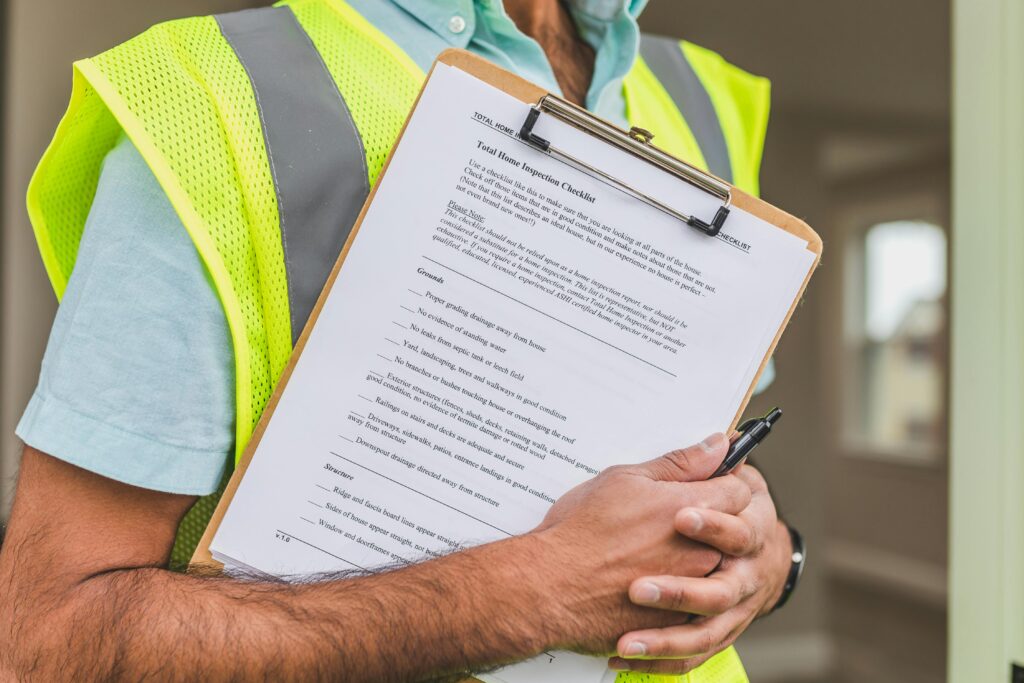
It helps make sure lighting works, drainage issues are caught early, roofing concerns are monitored, exterior surfaces stay in better condition, and shared property does not slowly decline through neglect. These are not cosmetic details. They affect safety, reliability, and the long term condition of the community.
When a neighborhood takes maintenance seriously before visible damage sets in, it puts itself in a much stronger position.
Residents feel more confident, daily life feels more stable, and the community avoids some of the more stressful disruptions that come from waiting too long.
Shared Property Needs Ongoing Attention
In HOA communities, many important parts of the neighborhood do not belong to just one homeowner.
Entrances, green spaces, sidewalks, retaining walls, pool areas, clubhouses, fencing, roads, and exterior building features may all require some level of shared upkeep. Because these spaces and systems affect everyone, problems can spread their impact quickly when they are left unaddressed.
A broken light may seem minor until it stays unfixed for weeks.
A drainage issue may look small until heavy rain turns it into erosion or standing water. A neglected common area may not seem urgent until it changes how the whole neighborhood feels. Preventive maintenance helps stop that pattern before it gets expensive or disruptive.
This is one reason HOA communities need a steady maintenance mindset.
When upkeep only happens after complaints or visible deterioration, the neighborhood is always catching up. A proactive approach creates a much stronger foundation.
Preventive Maintenance Helps Protect Individual Homeowners Too
Even though preventive maintenance often happens in common areas, the benefits reach individual homeowners in important ways.
Residents rely on the overall condition of the neighborhood more than they sometimes realize. Safe walkways, working drainage, maintained exterior features, and well kept common spaces all contribute to daily comfort. They also help reduce the chance that larger neighborhood issues begin affecting homeowners directly.
For example, poor drainage in a shared area can eventually create problems for nearby homes.
Neglected trees or landscaping can become a hazard. Deferred exterior repairs in attached or closely connected housing can allow small issues to spread. When shared systems are monitored and maintained early, homeowners are less likely to deal with the stress of avoidable fallout later.
That is why preventive maintenance should not be seen as a background task.
It is part of how the community protects both shared assets and the people living around them.
Consistency Is What Makes Maintenance Work
One of the biggest mistakes a community can make is treating maintenance as something to address only when a problem becomes impossible to ignore.
That approach usually leads to higher costs, more resident complaints, and a neighborhood that feels reactive instead of well managed. The real value of preventive maintenance comes from consistency. Regular inspections. Timely vendor work. Clear follow through. A system for noticing small concerns before they become larger ones.
Consistency changes everything.
It helps the community stay ahead of predictable wear and tear. It supports better planning. It reduces the number of surprises that throw off the budget or create unnecessary disruption. Most of all, it makes the neighborhood feel more stable.
Residents may not know every maintenance step being taken behind the scenes.
But they can usually tell when there is a real system in place.
Good Management Turns Maintenance Into a Long Term Strategy
Preventive maintenance does not happen well by accident.
It requires planning, oversight, and communication. A community needs people who are paying attention to what should be checked, what needs follow up, and how to keep routine upkeep from slipping into neglect. That is where strong management support becomes especially important.
A reliable HOA management company in the Charlotte area can help communities create a more organized approach to maintenance, from vendor coordination to routine inspections and resident communication. When that kind of structure is in place, preventive maintenance becomes more than a list of tasks. It becomes an ongoing strategy that protects the neighborhood over time.
That kind of support matters because maintenance is rarely just about fixing one thing.
It is about keeping the whole community from drifting into avoidable problems.
Residents Feel the Difference in Everyday Life
The benefits of preventive maintenance are not limited to budgets, schedules, or maintenance logs.
Residents feel the difference in their routines. They notice when the entrance looks clean and welcoming. They notice when the lighting works at night. They notice when landscaping looks healthy instead of overgrown. They notice when shared spaces feel cared for rather than forgotten.
These details shape the emotional experience of living in the neighborhood.
A well maintained community feels calmer. It feels more dependable. It reduces the background stress that can come from living in a place where things seem to be slowly falling apart. In that sense, preventive maintenance is not just about property care. It is also about quality of life.
That quality matters more than people sometimes realize.
Home should feel supportive, and the condition of the community plays a major role in that.
Delayed Maintenance Can Create Bigger Community Tension
When maintenance is pushed aside for too long, the damage is not only physical.
It can also affect how residents relate to the community and to each other. People begin to feel unheard. They become frustrated that obvious problems are not being handled. Trust weakens. Questions grow about where attention is going and whether the neighborhood is being looked after properly.
This is one reason preventive maintenance is so valuable.
It helps reduce conflict before it has the chance to grow. When communities act early, communicate clearly, and show visible follow through, residents are more likely to feel that the neighborhood is being managed responsibly. That trust is important in any shared community environment.
Problems that linger too long rarely stay simple.
They tend to create both practical and emotional strain.
Prevention Supports Long Term Community Health
Well maintained communities usually do not get that way through occasional big efforts alone.
They get there through steady care over time. Preventive maintenance supports that kind of long term health. It keeps the neighborhood from cycling between periods of neglect and periods of rushed correction. It encourages a more stable and intentional way of managing shared property.
That long view matters.
Communities are living environments. They change with weather, wear, use, and time. A preventive mindset recognizes that change early and responds before damage spreads. It helps the community stay stronger year after year, rather than constantly trying to recover from preventable decline.
For residents, that makes the neighborhood feel more secure.
It creates the sense that the place is being looked after with care, not just patched up when issues become too visible to ignore.
Final Thoughts
Preventive maintenance protects homes in HOA communities by helping shared spaces and shared systems stay in better condition before larger problems take hold.
It supports safety, comfort, consistency, and a stronger daily living experience for residents. It reduces the risk that neglected issues spill into bigger disruptions or affect homeowners more directly. It also helps the community avoid the stress that comes from always reacting too late.
That is why prevention matters so much.
It keeps the neighborhood more stable, more functional, and more livable over time. In an HOA community, that kind of steady care is one of the most important ways to protect both the property and the people who call it home.
 Patricko Aaronickson has opinions about home maintenance essentials. Informed ones, backed by real experience — but opinions nonetheless, and they doesn't try to disguise them as neutral observation. They thinks a lot of what gets written about Home Maintenance Essentials, Home Repair Tips, Interior Design Inspirations is either too cautious to be useful or too confident to be credible, and they's work tends to sit deliberately in the space between those two failure modes.
Reading Patricko's pieces, you get the sense of someone who has thought about this stuff seriously and arrived at actual conclusions — not just collected a range of perspectives and declined to pick one. That can be uncomfortable when they lands on something you disagree with. It's also why the writing is worth engaging with. Patricko isn't interested in telling people what they want to hear. They is interested in telling them what they actually thinks, with enough reasoning behind it that you can push back if you want to. That kind of intellectual honesty is rarer than it should be.
What Patricko is best at is the moment when a familiar topic reveals something unexpected — when the conventional wisdom turns out to be slightly off, or when a small shift in framing changes everything. They finds those moments consistently, which is why they's work tends to generate real discussion rather than just passive agreement.
Patricko Aaronickson has opinions about home maintenance essentials. Informed ones, backed by real experience — but opinions nonetheless, and they doesn't try to disguise them as neutral observation. They thinks a lot of what gets written about Home Maintenance Essentials, Home Repair Tips, Interior Design Inspirations is either too cautious to be useful or too confident to be credible, and they's work tends to sit deliberately in the space between those two failure modes.
Reading Patricko's pieces, you get the sense of someone who has thought about this stuff seriously and arrived at actual conclusions — not just collected a range of perspectives and declined to pick one. That can be uncomfortable when they lands on something you disagree with. It's also why the writing is worth engaging with. Patricko isn't interested in telling people what they want to hear. They is interested in telling them what they actually thinks, with enough reasoning behind it that you can push back if you want to. That kind of intellectual honesty is rarer than it should be.
What Patricko is best at is the moment when a familiar topic reveals something unexpected — when the conventional wisdom turns out to be slightly off, or when a small shift in framing changes everything. They finds those moments consistently, which is why they's work tends to generate real discussion rather than just passive agreement.