
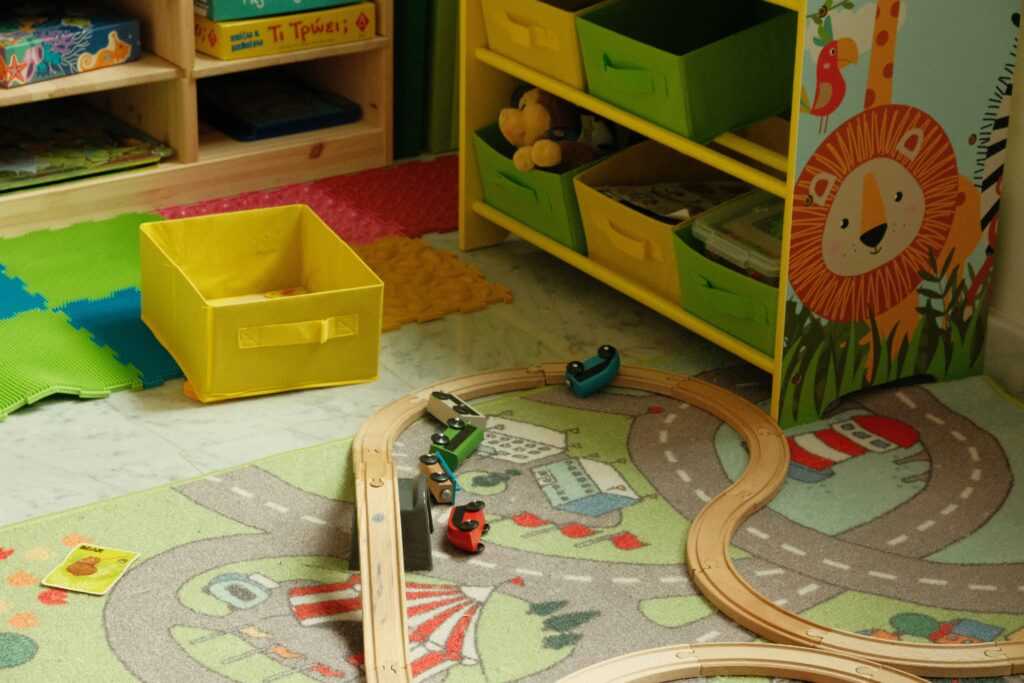
Introduction to the Right Rug for Your Kid’s Room
When it comes to designing your child’s room, there are many factors to consider. From furniture and wall decor to storage solutions and bedding, every element plays a crucial role in creating a comfortable and playful space for your little one. However, one item that often gets overlooked is the rug.
Rugs not only add warmth and texture to a room but also serve as a functional piece of decor. When it comes to choosing the right rug for your kid’s room, there are a few things you need to keep in mind. In this section, we will discuss how understanding your child’s needs and considering the age and purpose of the rug can help you make an informed decision.
Understanding Your Child’s Needs: Age and Purpose of the Rug
The first step in choosing the right rug for your kid’s room is understanding their needs. The age of your child plays a significant role in determining the type of rug that would be suitable for their room. For instance, if you have a baby or toddler who spends most of their time playing on the floor, you would want to invest in a soft and plush rug that provides them with comfort while crawling or playing.
On the other hand, if you have an older child who uses their room primarily for studying or reading, you might want to consider educational rugs that can help stimulate their learning process while adding some fun elements to their space.
Functional and Fun: Different Types of Rugs for Kids’ Rooms
Now that we have discussed how understanding your child’s needs can influence your choice, let us look at some popular types of rugs specifically designed for kids’ rooms:
- Baby Play Mats With Colorful Designs: One of the best options for babies or toddlers is play mats with bright colors and fun patterns. Baby play mats with colorful designs provide cushioning support as well as visual stimulation for infants during tummy time activities.
- Educational Rugs: If you want to make learning more fun for your child, educational rugs are an excellent choice. These rugs come in various themes, such as alphabet, numbers, and maps, making them a perfect addition to your child’s room.
- Soft and Plush Rugs for Toddlers: As toddlers start walking and exploring their surroundings, having a soft and plush rug can provide them with a safe and comfortable space to play. Look for rugs made of materials like cotton or wool that are durable and easy to clean.
When choosing the right rug for your kid’s room, consider their age and the purpose of the rug. Remember that the rug should not only add aesthetic value but also serve a functional purpose in creating a comfortable and playful environment for your child.
Tips for Choosing the Perfect Kid-friendly Rug
When it comes to designing a comfortable and playful room for your child, the right rug can make all the difference. Not only does it add color and texture to the space, but it also provides a soft and safe surface for them to play on. In this section, we will discuss some important tips for choosing the perfect kid-friendly rug.
Material Matters: Safe and Durable Options
The most crucial aspect of a kid-friendly rug is its material. It should be safe, durable, and easy to clean. Avoid materials like wool or shag as they may accumulate dust and allergens. Instead, opt for natural fibers like cotton or jute, which are hypoallergenic and easier to maintain. Another great option is synthetic fibers like nylon or polyester that are stain-resistant and can handle heavy foot traffic.
Size and Placement: Maximizing Space and Comfort
When choosing a rug for your child’s room, size matters more than you think. A small rug may look cute, but it won’t provide enough coverage for playing or lounging comfortably. On the other hand, an oversized rug can take up too much space in their already cluttered room. Measure the area where you want to place the rug before making a purchase. Also, consider leaving some floor space around the edges of the rug so that toys don’t fall off easily.
Easy to Clean: Dealing With Messy Playtime
Let’s face it, kids are messy. From spilled snacks to art supplies mishaps, their playtime can take a toll on your rugs. That’s why it is essential to choose one that is easy to clean. Look for rugs with low pile height, as they are easier to vacuum or machine wash if needed. You can also opt for indoor/outdoor rugs that can withstand spills and stains without losing their charm.
Shopping for Kids Room Rugs Online: Pros and Cons
With the rise of online shopping, it has become easier to find a variety of options for kid-friendly rugs. However, there are some drawbacks to consider before making an online purchase. The pros include a wider range of designs and competitive prices to buy kids room rugs online. But the cons may include not being able to feel and touch the rug before buying, potential color discrepancies from what is shown on the screen, and return policies.
Diy Ideas: Customizing Rugs for a Personalized Touch
For those looking for a more personalized touch in their child’s room, why not try DIY ideas for customizing rugs? You can use stencils and fabric paint to add their favorite characters or patterns to an otherwise plain rug. Another idea is to sew on colorful pom poms or tassels around the edges of the rug. This will not only give it a unique look but also make it more playful and fun for your child.
Conclusion
As parents, we want to create a comfortable and playful space for our children to grow and play in. By implementing these tips, you can easily transform any room into a kid-approved haven with the addition of the perfect rug. Remember to choose durable materials, incorporate fun patterns and colors, and leave plenty of open space for your little ones to move around freely. With these elements in mind, you can create a room that not only reflects your child’s personality but also promotes comfort and creativity.
 Ask Ireneia Diamondolls how they got into home repair tips and you'll probably get a longer answer than you expected. The short version: Ireneia started doing it, got genuinely hooked, and at some point realized they had accumulated enough hard-won knowledge that it would be a waste not to share it. So they started writing.
What makes Ireneia worth reading is that they skips the obvious stuff. Nobody needs another surface-level take on Home Repair Tips, Creative Concepts, DIY Renovation Ideas. What readers actually want is the nuance — the part that only becomes clear after you've made a few mistakes and figured out why. That's the territory Ireneia operates in. The writing is direct, occasionally blunt, and always built around what's actually true rather than what sounds good in an article. They has little patience for filler, which means they's pieces tend to be denser with real information than the average post on the same subject.
Ireneia doesn't write to impress anyone. They writes because they has things to say that they genuinely thinks people should hear. That motivation — basic as it sounds — produces something noticeably different from content written for clicks or word count. Readers pick up on it. The comments on Ireneia's work tend to reflect that.
Ask Ireneia Diamondolls how they got into home repair tips and you'll probably get a longer answer than you expected. The short version: Ireneia started doing it, got genuinely hooked, and at some point realized they had accumulated enough hard-won knowledge that it would be a waste not to share it. So they started writing.
What makes Ireneia worth reading is that they skips the obvious stuff. Nobody needs another surface-level take on Home Repair Tips, Creative Concepts, DIY Renovation Ideas. What readers actually want is the nuance — the part that only becomes clear after you've made a few mistakes and figured out why. That's the territory Ireneia operates in. The writing is direct, occasionally blunt, and always built around what's actually true rather than what sounds good in an article. They has little patience for filler, which means they's pieces tend to be denser with real information than the average post on the same subject.
Ireneia doesn't write to impress anyone. They writes because they has things to say that they genuinely thinks people should hear. That motivation — basic as it sounds — produces something noticeably different from content written for clicks or word count. Readers pick up on it. The comments on Ireneia's work tend to reflect that.