
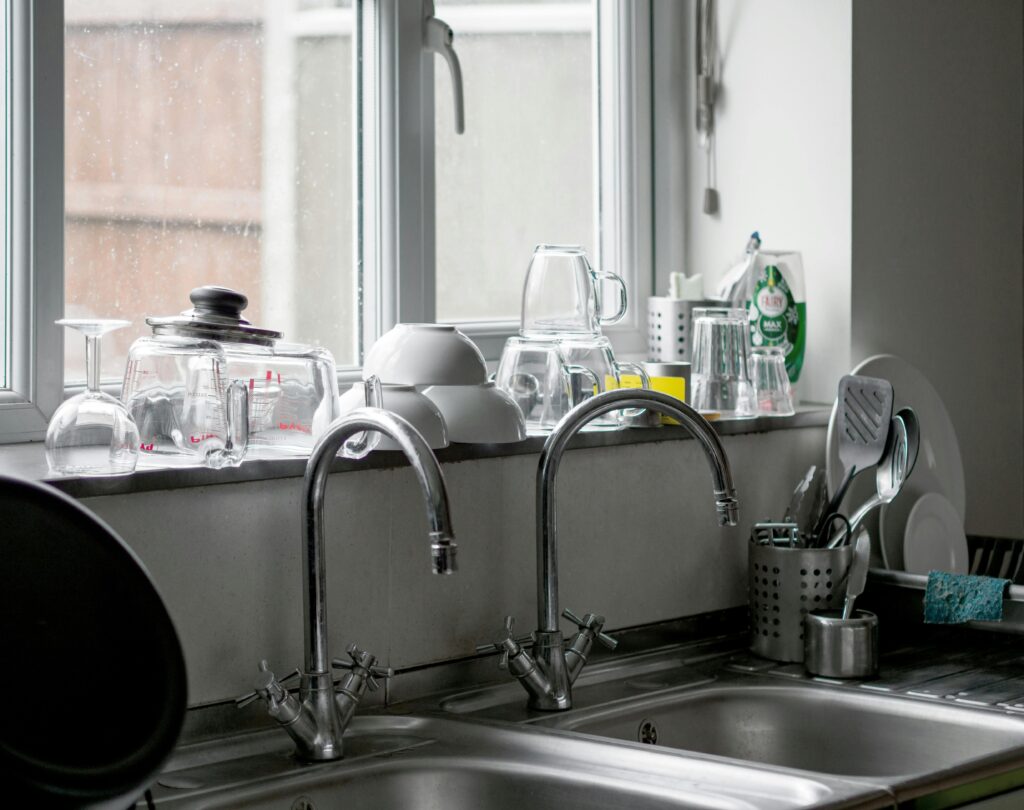
It’s kind of wild how drainage systems are almost never thought about… until they start acting up. Like really acting up. Water where it shouldn’t be. Smells that feel off. And yeah, sometimes it’s already a bit too late by then.
Most of the time, problems are quietly building up behind the scenes. Things are ignored. Life gets busy. Totally fair. But your home? It’s usually dropping hints. Small ones at first. Then bigger ones.
And honestly, it’s worth paying attention before things get messy.
Water Hanging Around Your Foundation
So here’s the thing—water should not be sitting around your foundation. Ever. It’s supposed to be moved away. That’s literally the job of your drainage system.
If puddles are being noticed after rain, and they just… stay there? That’s not great. It might seem harmless. But over time, water is absorbed into the soil. Pressure builds. And yeah, your foundation can be affected.
Cracks can be formed. Damage can be done slowly. Very slowly sometimes, which makes it even trickier.
And maybe it’s just grading. Or maybe something deeper is going on. Either way, it shouldn’t be brushed off.
Gutters That Just Can’t Keep Up
Gutters aren’t supposed to overflow like mini waterfalls. But when they do, it’s usually a sign something’s off.
Debris might be clogging them. Or maybe they’re just too small for the amount of rain your area gets now. Weather’s been weird lately, right?
Water is supposed to be guided neatly away. But instead, it spills over. Runs down walls. Pools near the base of your home.
Some homeowners end up considering gutter replacement when this becomes a really frequent headache.
Basement Feels Damp… A Little Too Often
Basements are naturally cooler. A bit damp sometimes. Sure. But constantly damp? That’s different.
If that musty smell is lingering, or if walls feel slightly wet—something’s up. Moisture is probably being allowed in. And drainage issues are often behind that.
In worse cases, water can actually be pushed inside during heavy rain. Which is, honestly, a nightmare.
And yeah, wiping things down won’t fix it long-term. The root cause needs to be handled. Otherwise, it just keeps happening.
Your Yard Looks Washed Out
After a storm, take a look outside. Does the yard look uneven? Like soil has been moved around?
That’s erosion. And it’s not random.
Water is likely flowing too fast or in the wrong direction. Your drainage system isn’t controlling it the way it should be.
Plants might struggle. Grass might look thin. And sometimes, roots are exposed—which just looks… wrong.
And near your house? That erosion can weaken support over time. Not something to ignore.
Cracks Are Showing Up
Cracks can be normal. Small ones, at least. Houses settle. It happens.
But bigger cracks? Or ones that seem to grow? That’s different.
Water pressure around your home can cause that. When drainage fails, water builds up in the soil. And pressure is created against your foundation.
Eventually, stress is released somewhere. And yeah… cracks are often the result.
If other signs are happening too, it’s probably all connected.
Mold or Mildew Appears
Mold doesn’t just show up for no reason. Moisture has to be present. And if it’s showing up inside your home, something is definitely off.
Drainage issues are often part of the problem. Water gets in. Stays in. And then mold is allowed to grow.
Sometimes it’s hidden. Behind walls, under floors. Other times, it’s very obvious. Either way, it’s not something to ignore.
And honestly, it’s not just about the house. Health can be affected too. Which makes it even more important.
Downspouts Are Kind of Useless
Downspouts are supposed to move water away. Simple enough. But sometimes, they just… don’t.
Maybe they’re too short. Maybe they’re clogged. Or poorly placed.
Water ends up being dumped right next to your foundation. Which defeats the whole purpose.
And yeah, extensions can help. But if the setup is flawed overall, a bigger upgrade might be needed.
You’re Always Dealing with Clogs
If you’re constantly cleaning out your system, that’s a sign.
Like once or twice a year? Fine. Normal. But every few weeks? That’s frustrating. And not really sustainable.
Modern systems are designed better. Debris can be managed more efficiently. Less maintenance is needed.
And honestly, no one wants to spend weekends scooping out soggy leaves. It gets old fast.
Weird Stains on Your Walls
Take a look at your home’s exterior. Closely.
Are there streaks? Discoloration? That kind of thing?
Water might be running down instead of being directed away. Which means your system isn’t doing its job properly.
Over time, siding can be damaged. Paint can peel. And deeper issues can start forming.
It’s subtle at first. But it adds up.
It’s Just… Old
Sometimes, nothing dramatic is happening. No flooding. No huge cracks.
But the system is just old.
Materials wear out. Designs become outdated. And what worked years ago might not be enough now.
And yeah, it’s easy to ignore if nothing seems urgent. But upgrades can prevent problems before they start.
Drainage issues are sneaky. They don’t always scream for attention. They whisper. Then they nudge. Then suddenly… it’s a problem.
Water Is Backing Up in Unexpected Places
This one’s really frustrating. And kind of confusing at first.
Water might be seen coming back up through drains. Or pooling in weird spots—like near walkways, patios, or even driveways. Places where water shouldn’t be hanging out at all.
It usually means the system is overwhelmed. Or blocked somewhere. And instead of being carried away, water is being pushed back.
And yeah, that’s not just inconvenient. It can lead to damage pretty quickly if it keeps happening.
Sometimes it’s a small blockage. But other times, the whole setup just isn’t handling water the way it should anymore.
If small signs are noticed early, bigger damage can often be avoided.
And maybe it feels like overthinking. That’s fair. But homes need maintenance. Quiet systems included.
So if something feels off—even a little—it’s probably worth checking out. Really.
 Ask Ireneia Diamondolls how they got into home repair tips and you'll probably get a longer answer than you expected. The short version: Ireneia started doing it, got genuinely hooked, and at some point realized they had accumulated enough hard-won knowledge that it would be a waste not to share it. So they started writing.
What makes Ireneia worth reading is that they skips the obvious stuff. Nobody needs another surface-level take on Home Repair Tips, Creative Concepts, DIY Renovation Ideas. What readers actually want is the nuance — the part that only becomes clear after you've made a few mistakes and figured out why. That's the territory Ireneia operates in. The writing is direct, occasionally blunt, and always built around what's actually true rather than what sounds good in an article. They has little patience for filler, which means they's pieces tend to be denser with real information than the average post on the same subject.
Ireneia doesn't write to impress anyone. They writes because they has things to say that they genuinely thinks people should hear. That motivation — basic as it sounds — produces something noticeably different from content written for clicks or word count. Readers pick up on it. The comments on Ireneia's work tend to reflect that.
Ask Ireneia Diamondolls how they got into home repair tips and you'll probably get a longer answer than you expected. The short version: Ireneia started doing it, got genuinely hooked, and at some point realized they had accumulated enough hard-won knowledge that it would be a waste not to share it. So they started writing.
What makes Ireneia worth reading is that they skips the obvious stuff. Nobody needs another surface-level take on Home Repair Tips, Creative Concepts, DIY Renovation Ideas. What readers actually want is the nuance — the part that only becomes clear after you've made a few mistakes and figured out why. That's the territory Ireneia operates in. The writing is direct, occasionally blunt, and always built around what's actually true rather than what sounds good in an article. They has little patience for filler, which means they's pieces tend to be denser with real information than the average post on the same subject.
Ireneia doesn't write to impress anyone. They writes because they has things to say that they genuinely thinks people should hear. That motivation — basic as it sounds — produces something noticeably different from content written for clicks or word count. Readers pick up on it. The comments on Ireneia's work tend to reflect that.