
Think Vertical, Not Horizontal
When space is tight, the walls are your best friends. Ditch the bulky bookcases and go for wall mounted shelves sleek, simple, and strong enough for your essentials or a few favorite decor pieces. Hanging planters? Even better. They add life without eating up square footage.
Artwork that climbs vertically pulls the eye up, drawing attention away from the room’s limited footprint. It’s an easy trick that adds presence without adding clutter. And if your ceilings feel low, go with mirrored panels and tall, slim mirrors. They stretch the visual height of the room and bounce light around like magic.
Going vertical isn’t just smart it keeps the place feeling open, functional, and still completely yours.
Dual Purpose Furniture is a Game Changer
When it comes to decorating a small space, function is everything. Choosing furniture that can work double duty helps you maximize every inch without sacrificing comfort or style.
Smart Space Saving Solutions
Consider investing in multi functional pieces that tackle more than one job:
Storage ottomans: great for seating, footrests, and hidden storage
Sofa beds: ideal for guests and daily lounging
Fold out desks: perfect for creating a workspace without a permanent footprint
These options allow you to make the most of limited space while keeping your home comfortable and livable.
Hide Clutter in Plain Sight
Small spaces don’t have room for clutter. Fortunately, dual purpose furniture lets you tuck away items where no one will see:
Store blankets, books, or cords inside an ottoman
Use beds with drawers underneath to avoid bulky dressers
Choose coffee tables with hidden compartments
This approach keeps your space visually clean and functional.
Budget Friendly Shopping Tips
You don’t have to break the bank to find great dual function furniture. Try these money saving strategies:
Thrift stores: unexpected treasures and unbeatable prices
Online marketplaces: check local listings for lightly used, quality finds
DIY upgrades: repurpose older pieces with new legs, fabric, or paint
With a little creativity and some smart shopping, you’ll find pieces that look good, serve multiple purposes, and fit your budget.
Light It Right
Small spaces live and die by their lighting. Natural light is gold don’t block it with heavy drapes. Swap in sheer curtains or leave windows bare if privacy allows. Reflective surfaces like mirrors or glossy finishes can bounce that daylight deeper into your space, making everything feel more open.
But when the sun sets, you’ve got options. LED strip lights are an inexpensive game changer for under cabinets, along shelves even behind your headboard. Battery powered puck lights can brighten up dim corners without any rewiring or big box purchases.
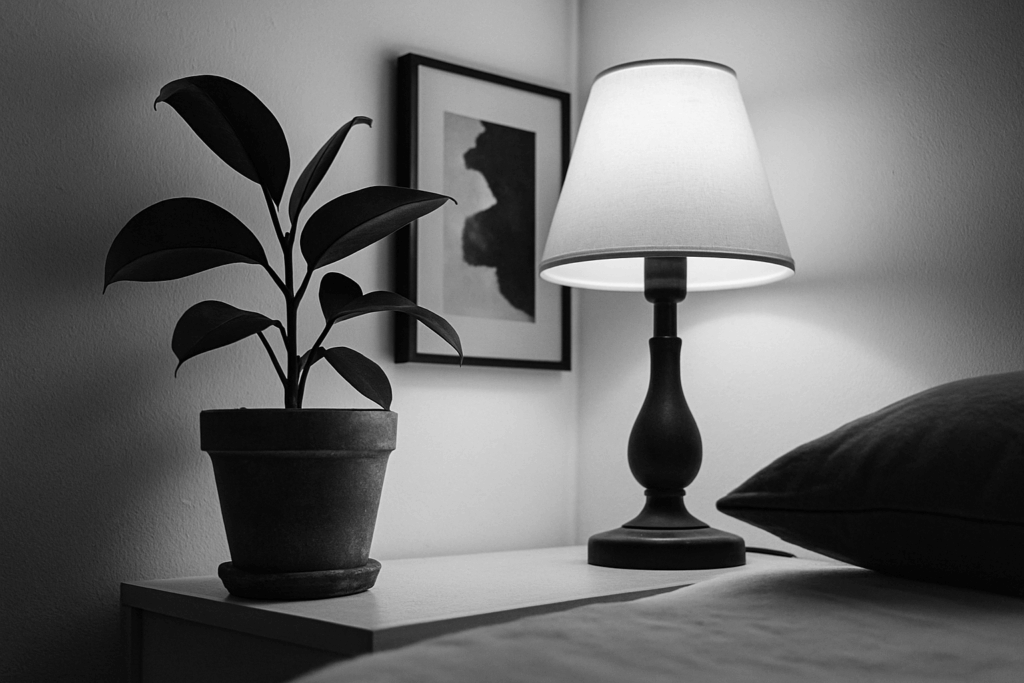
And if the room still feels flat, bring in character with one bold piece. A statement lamp whether quirky, vintage, or minimalist adds light and style in one shot. Don’t overthink it. A good glow changes everything.
Use What You Have Creatively

You don’t need a shopping spree to make your space feel brand new. Start by rearranging your furniture. A new layout can change the vibe instantly open up walkways, shift your focal point, or create cozier nooks. No cost, big impact.
Next, think about what’s collecting dust. That old ladder in the garage? Perfect as a rustic towel rack or hanging organizer. Got a few crates or wooden wine boxes? Flip them into shelving or stackable storage. Function can meet form if you’re willing to see things differently.
Finally, don’t underestimate the power of small upgrades. A fresh coat of paint on a worn table or swapping in updated drawer pulls can bring tired pieces back to life. It’s not about replacing everything. It’s about seeing potential in what you already own and giving it a second life.
Stick to a Simple Color Palette
When space is limited, color choices matter. Light, neutral tones like soft creams, pale grays, or muted pastels help reflect natural light and make a room feel bigger than it really is. It’s a simple trick, but it works every time.
That doesn’t mean everything has to be beige. The key is restraint. Use bold colors or patterns as accents a throw pillow, a framed print, or even a single painted wall. It adds interest without overwhelming the room.
Lastly, keep your tones coordinated. Choose a palette of two to three main colors and stick with it across furniture, textiles, and decor. When the colors don’t clash, your space feels calm, intentional, and more open even if it’s only 300 square feet.
Go Big with One Accent
When every square foot counts, less is more but it better count. A single oversized artwork or a bold, textured rug can anchor an entire room, giving it character without adding clutter. This isn’t about maximalism; it’s about focus. One strong visual statement helps the space feel curated instead of cramped.
Materials matter, too. A jute rug can ground a light, airy room. Velvet cushions or a thick wool throw add warmth without overwhelming. Wood frames or sculptural pieces bring in organic texture that balances modern or minimalist furniture. Choose pieces that feel substantial. Cheap doesn’t have to look cheap when the texture does the heavy lifting.
Bonus Tip: Rethink That Spare Room
It’s easy to overlook the small, unused room at the end of the hall. But leaving it empty is a waste, especially if you’re tight on space elsewhere. Whether it’s barely bigger than a closet or just an awkward layout, that spare room has potential.
Start by asking what you really need more of a quiet place to work, a spot to read, a cozy space for guests? From there, keep the setup lean. A compact desk and a wall mounted shelf can turn a corner into a home office. A small armchair and lamp make a calm nook for reading. Fold out beds or futons give flexibility if you want it guest ready.
Don’t feel like you have to spend big. Get creative with what you already have or scan secondhand listings. Add a few touches some paint, a mirror for light, or a plant and the space starts to feel intentional.
Here’s a guide to walk you through the transformation: convert your spare room without blowing your budget.
 Patricko Aaronickson has opinions about home maintenance essentials. Informed ones, backed by real experience — but opinions nonetheless, and they doesn't try to disguise them as neutral observation. They thinks a lot of what gets written about Home Maintenance Essentials, Home Repair Tips, Interior Design Inspirations is either too cautious to be useful or too confident to be credible, and they's work tends to sit deliberately in the space between those two failure modes.
Reading Patricko's pieces, you get the sense of someone who has thought about this stuff seriously and arrived at actual conclusions — not just collected a range of perspectives and declined to pick one. That can be uncomfortable when they lands on something you disagree with. It's also why the writing is worth engaging with. Patricko isn't interested in telling people what they want to hear. They is interested in telling them what they actually thinks, with enough reasoning behind it that you can push back if you want to. That kind of intellectual honesty is rarer than it should be.
What Patricko is best at is the moment when a familiar topic reveals something unexpected — when the conventional wisdom turns out to be slightly off, or when a small shift in framing changes everything. They finds those moments consistently, which is why they's work tends to generate real discussion rather than just passive agreement.
Patricko Aaronickson has opinions about home maintenance essentials. Informed ones, backed by real experience — but opinions nonetheless, and they doesn't try to disguise them as neutral observation. They thinks a lot of what gets written about Home Maintenance Essentials, Home Repair Tips, Interior Design Inspirations is either too cautious to be useful or too confident to be credible, and they's work tends to sit deliberately in the space between those two failure modes.
Reading Patricko's pieces, you get the sense of someone who has thought about this stuff seriously and arrived at actual conclusions — not just collected a range of perspectives and declined to pick one. That can be uncomfortable when they lands on something you disagree with. It's also why the writing is worth engaging with. Patricko isn't interested in telling people what they want to hear. They is interested in telling them what they actually thinks, with enough reasoning behind it that you can push back if you want to. That kind of intellectual honesty is rarer than it should be.
What Patricko is best at is the moment when a familiar topic reveals something unexpected — when the conventional wisdom turns out to be slightly off, or when a small shift in framing changes everything. They finds those moments consistently, which is why they's work tends to generate real discussion rather than just passive agreement.