
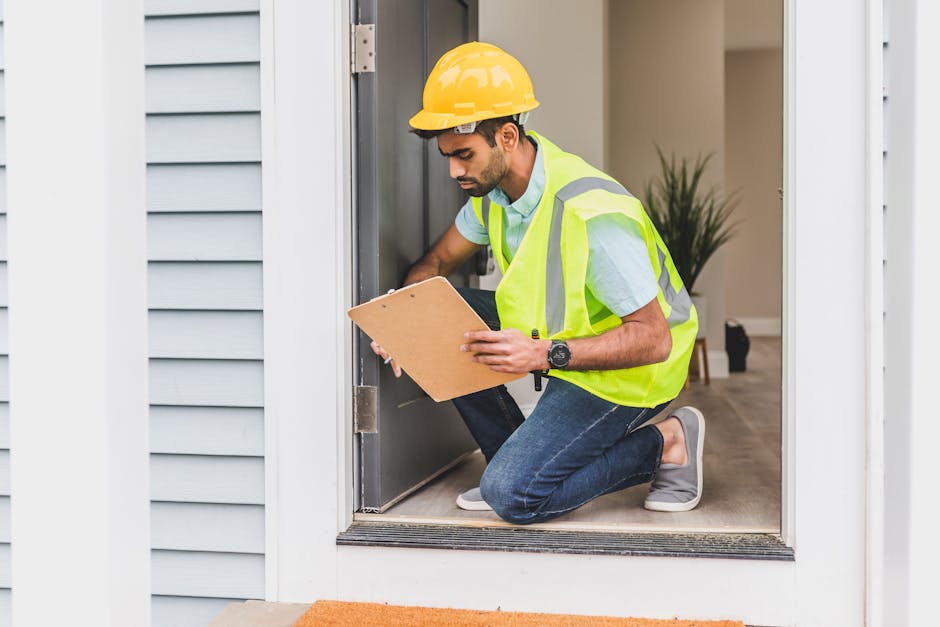
Spring: Reset and Inspect
Winter leaves a mess, and spring is the time to clean house literally. Start with the basics: clear out gutters and downspouts. Melting snow and spring rains need a clear path away from your home. While you’re looking up, check the roof. Look for shingles that are missing, curling, or cracked. These are your home’s first line of defense, and they take a beating during cold months.
Next, take a slow walk around the exterior. Hairline cracks in the foundation or siding can let water in. Early fixes beat major repairs down the line. Inside, get your HVAC system tuned before the summer heat arrives. A clean filter and system check may keep you from sweating through a surprise breakdown.
Then there’s the sump pump. Run a test cycle to make sure it’s not asleep at the wheel just dump a bucket of water in and watch what happens. No reaction means it’s time for a repair or replacement.
Once the systems are solid, move to comfort and curb appeal. Windows and screens should be cleaned for airflow and that springtime light. Finally, prep your green space rake out beds, cut back dead growth, and drop in some fresh mulch. It’s a reset for your home’s health and your own headspace.
Summer: Efficiency and Prep
Summer heat doesn’t just test your AC it tests your entire home. Start with the driveway. If it’s cracking or fading, it’s time to seal it. Not only does this help it last longer, but it keeps curb appeal intact. While you’re outside, take a look at the paint job. Peeling, blistering, or faded patches mean your siding is exposed to sun, rain, and heat damage. Catching it early beats a full repaint later.
Next up: start hunting air leaks. Check all caulking around windows and doors. Cracked or missing sealant lets cool air leak out and drives your power bill up. Re caulking is cheap, fast, and pays off immediately. Don’t forget the deck deep clean it, and go over each board. Secure anything loose, pull up exposed nails, and address splitting or rotting planks. It’s all about safety and keeping it in shape.
Head inside to tackle hot weather essentials. Flush your water heater to clear out sediment that builds up during cooler months. It improves efficiency and extends unit life. While you’re moving around, give your fencing a close inspection. Wood can rot fast in humidity, and rust creeps in on metal posts. Tighten fasteners, secure loose sections, and replace what’s failing.
Lastly, check attic ventilation. Poor airflow up there means your roof bakes, your insulation struggles, and your cooling system works overtime. If you don’t already have ridge or soffit vents, now’s your chance. Even a small upgrade can keep attic temps down and bills in check.
Need extra help around the home? Check out these general handy tips.
Fall: Winter Proof Strategies

Autumn is the last call before the freeze sets in. Start with the simple stuff: drain and store outdoor hoses, and shut off exterior faucets so you don’t end up dealing with cracked pipes mid January. If you’ve got a fireplace, now’s the time to clean the chimney and inspect the setup creosote buildup isn’t something to mess with.
Next, check weather stripping around doors and windows. If it’s worn out, replace it. Don’t overthink it this quick step keeps warm air in and cuts energy costs. Switch ceiling fans to rotate clockwise; it’ll push warm air down where you actually need it.
Your heating system deserves attention before it’s working overtime. Change the air filters and do a quick test run. Any odd sounds or weak air flow? Call it in early. Also walk through the house and check for drafts door sweeps or a bit of caulk can make a noticeable difference on your heating bill.
Finally, if you live somewhere snowy, get ahead of the storm. Make sure snow blowers start, shovels are in reach, and ice melt isn’t clumped into a rock hard bag in the shed. Preparing now saves stress later.
Winter: Interior Focus
As temperatures drop, indoor inspections take center stage. Winter is the time to focus on safety, efficiency, and preventing cold weather damage especially in areas most vulnerable to moisture and freezing.
Prevent Freeze Damage
Frozen pipes lead to costly repairs and water damage. Keep an eye on plumbing in unheated spaces like basements, garages, and crawlspaces.
Monitor exposed pipes in vulnerable areas
Use pipe insulation or heat tape for extra protection
Keep cabinet doors open under sinks to allow warm air circulation
Prioritize Fire and Air Safety
Heating equipment and closed up indoor spaces raise the risk for fire or poor air quality. Ensure your detection systems and vents are reliable:
Test smoke detectors and carbon monoxide alarms
Replace backup batteries where necessary
Clean dryer vents to eliminate lint build up, which is a major fire hazard
Boost Ventilation and Insulation
With windows shut tight, maintaining proper ventilation and preventing heat loss is essential.
Clean your kitchen exhaust fan filter to reduce grease buildup and improve airflow
Check attic insulation levels to keeping warm air in and cold air out
Keep an eye out for ice dams, which can signal insulation or ventilation issues
Watch for Moisture Issues
Snow, rain, and indoor condensation can introduce unwanted winter dampness.
Do a visual inspection of the basement and attic for signs of water leaks or mold
Look for water stains, damp patches, or a musty odor
Address small problems quickly before they grow into major repairs
Smart Habits Build Long Term Savings
Big home repairs don’t usually come out of nowhere. They’re often the result of small problems that were ignored for too long. Consistent, seasonal maintenance stops those issues before they snowball into expensive fixes. A cracked shingle now beats a full roof replacement later.
One of the simplest ways to stay on track is to create a seasonal checklist or better yet, sync it to a calendar you check regularly. Set reminders. Break it down by month. When tasks get baked into your routine, they become less of a chore and more like second nature.
Also, don’t cheap out when it comes to tools or materials. A solid ladder, a quality caulking gun, a reliable wet/dry vacuum these pay off over time. Think of it as buying fewer headaches.
For more insider maintenance know how, browse these general handy tips.
 Patricko Aaronickson has opinions about home maintenance essentials. Informed ones, backed by real experience — but opinions nonetheless, and they doesn't try to disguise them as neutral observation. They thinks a lot of what gets written about Home Maintenance Essentials, Home Repair Tips, Interior Design Inspirations is either too cautious to be useful or too confident to be credible, and they's work tends to sit deliberately in the space between those two failure modes.
Reading Patricko's pieces, you get the sense of someone who has thought about this stuff seriously and arrived at actual conclusions — not just collected a range of perspectives and declined to pick one. That can be uncomfortable when they lands on something you disagree with. It's also why the writing is worth engaging with. Patricko isn't interested in telling people what they want to hear. They is interested in telling them what they actually thinks, with enough reasoning behind it that you can push back if you want to. That kind of intellectual honesty is rarer than it should be.
What Patricko is best at is the moment when a familiar topic reveals something unexpected — when the conventional wisdom turns out to be slightly off, or when a small shift in framing changes everything. They finds those moments consistently, which is why they's work tends to generate real discussion rather than just passive agreement.
Patricko Aaronickson has opinions about home maintenance essentials. Informed ones, backed by real experience — but opinions nonetheless, and they doesn't try to disguise them as neutral observation. They thinks a lot of what gets written about Home Maintenance Essentials, Home Repair Tips, Interior Design Inspirations is either too cautious to be useful or too confident to be credible, and they's work tends to sit deliberately in the space between those two failure modes.
Reading Patricko's pieces, you get the sense of someone who has thought about this stuff seriously and arrived at actual conclusions — not just collected a range of perspectives and declined to pick one. That can be uncomfortable when they lands on something you disagree with. It's also why the writing is worth engaging with. Patricko isn't interested in telling people what they want to hear. They is interested in telling them what they actually thinks, with enough reasoning behind it that you can push back if you want to. That kind of intellectual honesty is rarer than it should be.
What Patricko is best at is the moment when a familiar topic reveals something unexpected — when the conventional wisdom turns out to be slightly off, or when a small shift in framing changes everything. They finds those moments consistently, which is why they's work tends to generate real discussion rather than just passive agreement.