
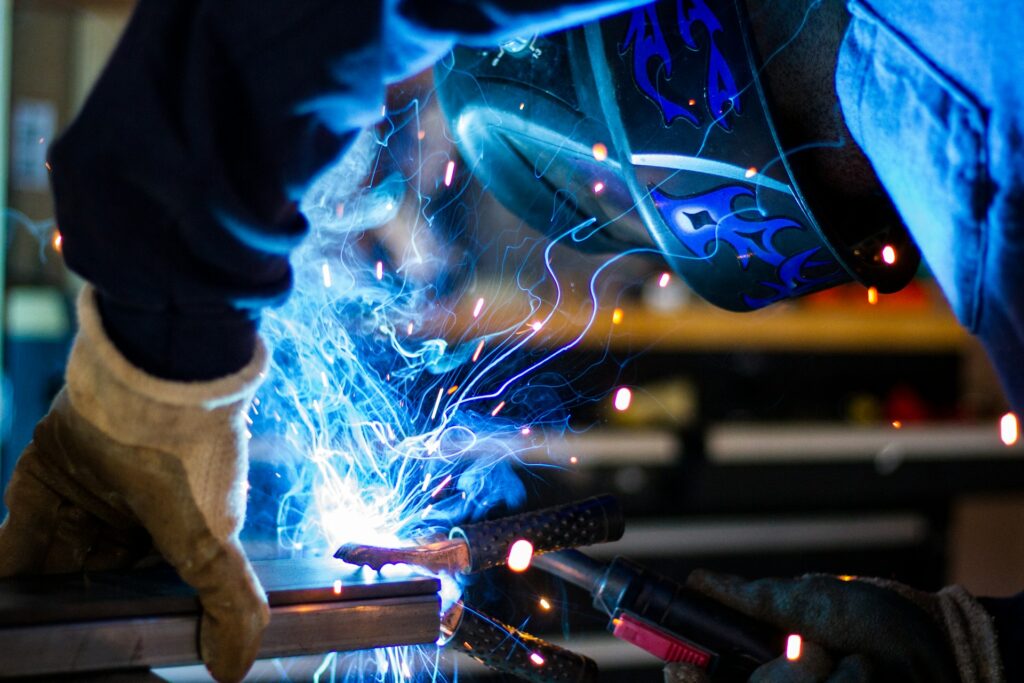
If you’ve ever caught your foot on a welding cable or barely dodged a gas cylinder while dragging your machine into position, you know how frustrating (and risky) a messy welding space can be. Staying organized isn’t just about convenience – it’s about staying safe. That’s where finding the right welding cart for your DIY project really pays off. A solid cart keeps all your gear where it should be and reduces the chance of accidents. Knowing what to look for before buying one can save a lot of headaches later.
Why Every DIY Welder Needs a Cart
A welding cart isn’t just a fancy shelf on wheels. It can turn your garage’s chaos into a real, workable welding setup.
Cables lying around? That’s asking for trouble. Gas cylinders left loose? Just dangerous. The right cart keeps everything locked down, which goes a long way toward making your shop safer. But being able to roll your whole setup – welder, tank, tools – anywhere you need, without having to unplug or move everything by hand, makes a difference too. It saves time every single session.
Plus, just having your clamp, extra wire, and all those little parts right where you expect them means less wandering around searching and more time actually putting down beads. When your space is organized, your welds get better – there’s less room for distractions to mess with your rhythm.
Key Features to Look For in a Welding Cart
Not all welding carts are built with the same attention to detail. Here’s what actually matters when you’re picking one out:
Weight Capacity and Stability
Check how heavy your welder is. Most DIY MIG units run between 40 and 70 pounds, and you’re adding more with accessories. Get a heavy-duty welding cart rated for a weight way higher than your actual machine’s weight. Watch for a wide base and a low center of gravity – those details are what keep it from tipping while you work.
Material and Build Quality
Steel carts usually take more abuse and hold up longer. A powder-coated finish stands up to rust and stray sparks, while cheap-looking welds on the frame? Usually a bad sign. Don’t expect poor-quality construction to keep your gear safe.
Tank Holder and Securing System
If you weld with gas, there’s no excuse for skipping cylinder restraints. A sturdy chain or strong strap for holding cylinders upright isn’t optional. Some carts can carry two, which is handy if you use both shielding gas and oxygen.
Shelf and Storage Options
One shelf isn’t enough. Look for extra levels, hooks, trays, or even locking drawers. Think about what actually slows you down and look for a cart that fits the way you work.
Wheel and Caster Quality
This one gets ignored a lot. Cheap plastic wheels make moving the cart a pain and don’t last. Heavy-duty casters – at least two that lock tight – work better. If your floor’s rough or you set up outside, bigger wheels help a lot.
Cable Management
Tangled cables don’t just look bad – they break down faster and get in the way. Carts with hooks or places to wrap cables help keep things tidy, and your setup goes a lot smoother.
Types of Welding Carts
- Universal carts fit most standard welders – MIG, TIG, or stick – and are a safe bet if you might upgrade your machine later.
- Then there are brand-specific carts, which line up perfectly with those brands’ machines, but may not fit much else.
- Finally, there’s the DIY option – welding your own custom cart. Not hard to see the appeal if you want everything a certain way and aren’t afraid to put in the time.
What to Watch Out For When Buying a Welding Cart
Some warning signs show up right away. No cylinder strap or chain? Walk away. Wheels that shake or shelves that barely hold your welder? Not worth the hassle or risk. Always size up your machine and make sure it actually fits the cart before you buy.
Pro tip: Check that your welder’s control panel will sit at a comfortable height on the cart – constantly having to kneel or hunch over to reach knobs gets old fast.
Things DIYers Usually Overlook
- Most people forget to think ahead. If you might add a plasma cutter or another machine later, get a cart big enough for both.
- Ground clamp storage is another thing – keep it handy, not tossed on the floor.
- And pay attention to how much you’ll need to move the cart. Lighter models are easy to shift but can feel wobbly. Heavy ones don’t move as easily, but some people like the feeling of real stability.
- Go with the one that matches how often you rearrange your shop.
The Right Cart Makes Every Project Easier
There are really only three criteria to consider when selecting a welding cart: the cart’s strength for your welding equipment, its safety for your gas cylinder, and its mobility. Once you get those right, you’re set. Measure your welder and choose a cart that is sturdy and features real wheels and a cylinder restraint system.
 Ask Ireneia Diamondolls how they got into home repair tips and you'll probably get a longer answer than you expected. The short version: Ireneia started doing it, got genuinely hooked, and at some point realized they had accumulated enough hard-won knowledge that it would be a waste not to share it. So they started writing.
What makes Ireneia worth reading is that they skips the obvious stuff. Nobody needs another surface-level take on Home Repair Tips, Creative Concepts, DIY Renovation Ideas. What readers actually want is the nuance — the part that only becomes clear after you've made a few mistakes and figured out why. That's the territory Ireneia operates in. The writing is direct, occasionally blunt, and always built around what's actually true rather than what sounds good in an article. They has little patience for filler, which means they's pieces tend to be denser with real information than the average post on the same subject.
Ireneia doesn't write to impress anyone. They writes because they has things to say that they genuinely thinks people should hear. That motivation — basic as it sounds — produces something noticeably different from content written for clicks or word count. Readers pick up on it. The comments on Ireneia's work tend to reflect that.
Ask Ireneia Diamondolls how they got into home repair tips and you'll probably get a longer answer than you expected. The short version: Ireneia started doing it, got genuinely hooked, and at some point realized they had accumulated enough hard-won knowledge that it would be a waste not to share it. So they started writing.
What makes Ireneia worth reading is that they skips the obvious stuff. Nobody needs another surface-level take on Home Repair Tips, Creative Concepts, DIY Renovation Ideas. What readers actually want is the nuance — the part that only becomes clear after you've made a few mistakes and figured out why. That's the territory Ireneia operates in. The writing is direct, occasionally blunt, and always built around what's actually true rather than what sounds good in an article. They has little patience for filler, which means they's pieces tend to be denser with real information than the average post on the same subject.
Ireneia doesn't write to impress anyone. They writes because they has things to say that they genuinely thinks people should hear. That motivation — basic as it sounds — produces something noticeably different from content written for clicks or word count. Readers pick up on it. The comments on Ireneia's work tend to reflect that.