

Why Peel and Stick Panels Are a Game Changer
Peel and stick wall panels aren’t some gimmicky shortcut they’re legitimately changing how people revamp their spaces. No tools, no glue, no weekend lost to drywall dust. You literally peel off the backing and press them into place. That’s it. No need to call in a contractor or bribe a handy friend with pizza.
It’s a win for renters and anyone living in a space where drilling holes is a non starter. If you’re in an apartment, dorm, or a house where permanence isn’t the goal, peel and stick options keep your deposit safe and your home feeling like yours.
And the look? There’s no skimping there either. Styles range from clean cut wood planks to textured faux brick, modern stone, and even tile like finishes. These aren’t the cheesy wall stickers from fifteen years ago this stuff looks and feels solid. Once installed, the transformation is immediate. One wall and your entire room shifts from plain to pulled together.
In a world where home upgrades usually mean mess and money, this is a smart shortcut that actually works.
Choosing the Right Wall for Impact
Where you put your panel makes or breaks the entire look. Skip random walls aim for natural focal points. Behind the bed in a bedroom? Obvious win. The wall framing your TV or home office desk? Prime spot. These areas already draw the eye, so they’re perfect candidates for bold textures or patterns.
Once you’ve picked the wall, check how it interacts with your furniture and lighting. A heavy pattern behind an already busy bookshelf will clash fast. But a sleek wood panel behind a clean lined couch? Nailed it. If your lighting feels flat, consider how shadows and direction will play over the panels toplight and sidelights can create subtle dimension.
Rule of thumb: if you squint and the area already looks cluttered, it’s probably not the right canvas. Stick to cleaner spaces so your panel choice stands out, not just blends into the noise.
Prep Before You Peel
Before you even crack open that first pack of peel and stick panels, take a breath and grab a cleaning cloth. Any dust, grit, or uneven bumps on the wall may seem minor, but they can wreck adhesion fast. A clean, dry, and smooth surface is table stakes here. Use a damp cloth (not soaking) and maybe a little mild soap if it’s been a while since the wall saw a wipe down.
Next, don’t eyeball it. Level the area and take real measurements height, width, obstructions then double check them. A few minutes with a level and measuring tape now will save you a lot of redo regret later.
And yes, sketch your layout. Napkin drawing or grid paper, doesn’t matter. Just map out the pattern, especially if you’re alternating colors or dealing with unique cuts. This five minute step makes the entire install way smoother. It’s the difference between a slick accent wall and a weekend full of ‘oops.’
Installation Tips for a Professional Look
Getting a clean, high impact finish with peel and stick panels isn’t about speed it’s about doing it right the first time. Start at the bottom center of your accent wall. That gives you a visual anchor and helps maintain symmetry as you work left, right, and upward. Skipping this step? That’s how crooked layouts happen.
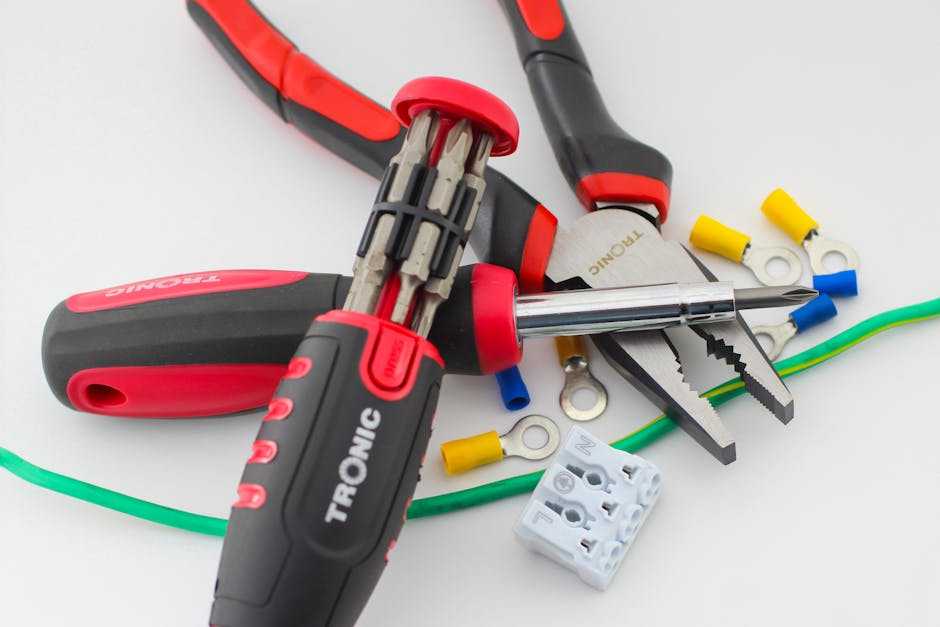
Around outlets, corners, or windows, take your time. Measure twice, cut once. A sharp utility knife and a metal straight edge are all you need to get crisp, accurate trims. Don’t rush this part sloppy cuts cheapen the final look.
Misaligned a panel? Don’t panic. Peel it off slowly most brands give you a little wiggle room if you catch it early. Apply light heat with a hair dryer if the adhesive resists. Then reapply with firm, even pressure.
The goal is clean lines and tight seams. If it looks professional at a glance, you’ve done your job.
Maintenance and Durability
Peel and stick panels aren’t just about fast installs they’re surprisingly tough, too. Most quality panels hold their look for years, especially in low moisture, indoor environments. You’re not getting flimsy wallpaper here. With stable room conditions and a solid initial install, many panels last 5+ years without curling, warping, or fading.
When it comes to cleaning, less is more. A soft cloth or sponge with warm, soapy water usually does the trick. Skip harsh chemicals or abrasive scrubbers those can damage the surface finish or weaken the adhesive backing over time. Gentle care keeps both the look and the stick factor intact.
Thinking ahead to removal? Good news: most panels peel off clean if you take your time. Start from one corner and pull slowly at an angle. If any resistance pops up, a hair dryer on low heat softens the adhesive just enough to ease the process. No torn drywall, no paint rips just a blank canvas ready for the next look.
Inspiration and Design Ideas
Peel and stick panels are more than just a shortcut they’re a style move. If you’re leaning into that warm, lived in vibe, wood grain panels deliver. Think reclaimed barn wood or subtle oak textures that make a space feel grounded and personal.
For something more polished, metro tiles or peel and stick marble bring clean lines and a modern edge without the coldness of actual stone. It’s a solid way to make a rental kitchen or bathroom pop without any demo.
And if you want your wall to have some depth? Mix and match. Pair stone look panels with smooth textures, or layer different tones of wood for a more dimensional effect. It doesn’t have to match, it just has to feel intentional.
Need more inspo or a how to? This accent wall guide walks through ideas, layouts, and real life examples that actually work.
Make It Your Own
An accent wall makes a statement, but personalization gives it staying power. First, let lighting do some of the heavy lifting. Aim LED strips at an upward angle to highlight texture, or use warm spotlights to draw the eye at night. Natural light? Angle mirrors to reflect sunlight across the surface subtle, easy, effective.
Worried about damaging your panels? Don’t be. You can definitely mount light shelves or picture frames directly over peel and stick panels. Just use lightweight hardware and anchor into the stud behind the wall, not the panel itself. It’s a cleaner install and keeps the design from looking cluttered.
Want even more texture or color? Paint over your panels with matte or satin finish paint to tone things down or pop a color accent. Some creators are even layering panel types think staggered faux wood strips over a brick base for added depth. The rule here is simple: if it looks good and holds steady, go for it.
Looking for an even deeper breakdown? Don’t miss this award winning accent wall guide for expert advice and real life photo examples.
 Zoryna Xelthanna has opinions about diy renovation ideas. Informed ones, backed by real experience — but opinions nonetheless, and they doesn't try to disguise them as neutral observation. They thinks a lot of what gets written about DIY Renovation Ideas, Gardening and Landscaping Tips, Home Repair Tips is either too cautious to be useful or too confident to be credible, and they's work tends to sit deliberately in the space between those two failure modes.
Reading Zoryna's pieces, you get the sense of someone who has thought about this stuff seriously and arrived at actual conclusions — not just collected a range of perspectives and declined to pick one. That can be uncomfortable when they lands on something you disagree with. It's also why the writing is worth engaging with. Zoryna isn't interested in telling people what they want to hear. They is interested in telling them what they actually thinks, with enough reasoning behind it that you can push back if you want to. That kind of intellectual honesty is rarer than it should be.
What Zoryna is best at is the moment when a familiar topic reveals something unexpected — when the conventional wisdom turns out to be slightly off, or when a small shift in framing changes everything. They finds those moments consistently, which is why they's work tends to generate real discussion rather than just passive agreement.
Zoryna Xelthanna has opinions about diy renovation ideas. Informed ones, backed by real experience — but opinions nonetheless, and they doesn't try to disguise them as neutral observation. They thinks a lot of what gets written about DIY Renovation Ideas, Gardening and Landscaping Tips, Home Repair Tips is either too cautious to be useful or too confident to be credible, and they's work tends to sit deliberately in the space between those two failure modes.
Reading Zoryna's pieces, you get the sense of someone who has thought about this stuff seriously and arrived at actual conclusions — not just collected a range of perspectives and declined to pick one. That can be uncomfortable when they lands on something you disagree with. It's also why the writing is worth engaging with. Zoryna isn't interested in telling people what they want to hear. They is interested in telling them what they actually thinks, with enough reasoning behind it that you can push back if you want to. That kind of intellectual honesty is rarer than it should be.
What Zoryna is best at is the moment when a familiar topic reveals something unexpected — when the conventional wisdom turns out to be slightly off, or when a small shift in framing changes everything. They finds those moments consistently, which is why they's work tends to generate real discussion rather than just passive agreement.